Aug 30, 2026
My Language Year at Yonsei University Korean Language School
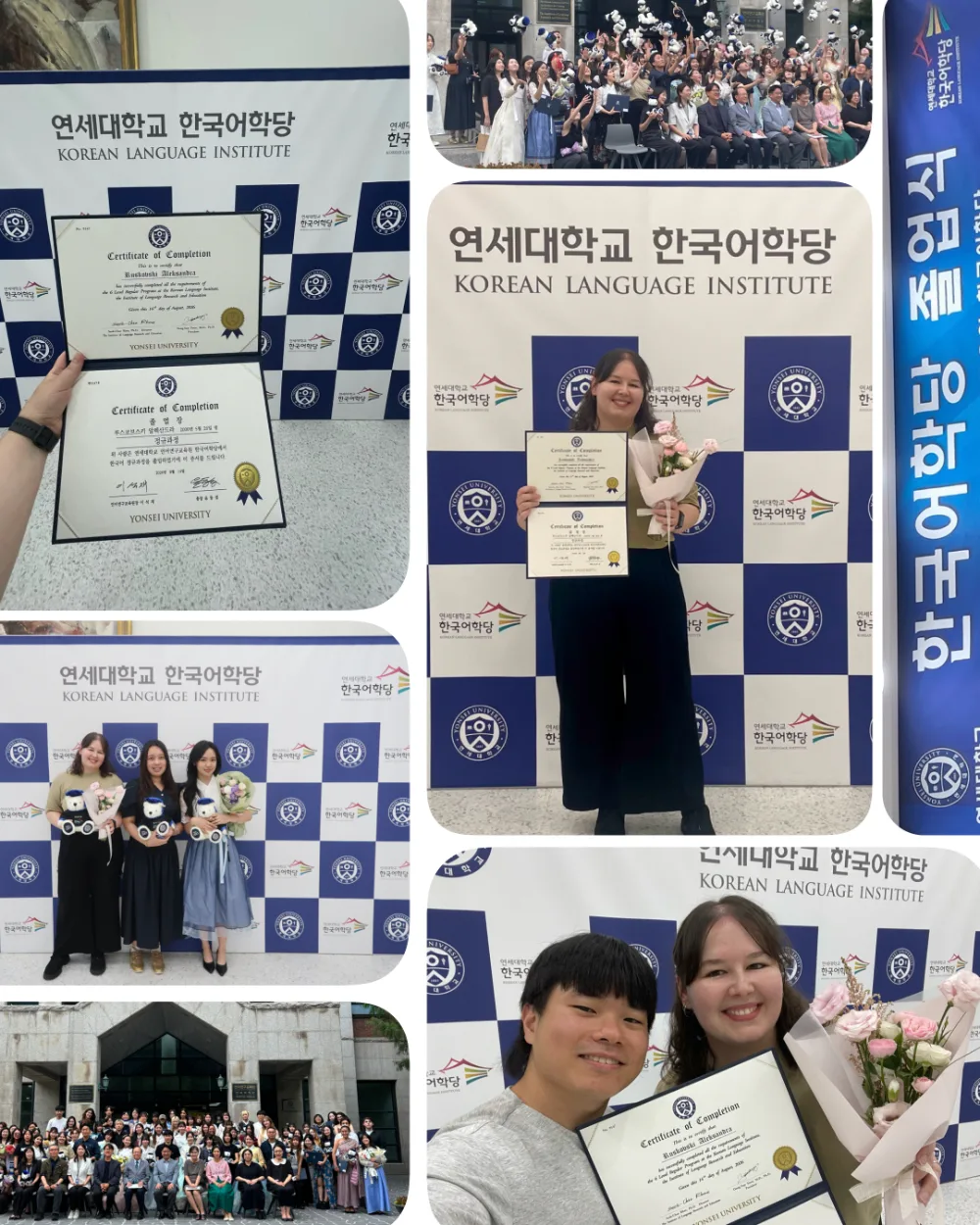
Hello! I really didn’t think it would take me this long to write a new post, I’m so sorry.. Ever since I started my Master’s I’ve been so busy!! 😭😪 But here I am, and in this post I’ll be talking about my language year at Yonsei University Korean Language School. 😊
I arrived to Korea on 25th august last year, since our classes were starting on september 1st. However, before the classes start, students have to take a placement test so that they can be placed in the correct level. ( You could also opt out of test taking, but then you would have to start from level 1.) We had an orientation on 29th august, where they talked about school in general, some important info etc.; we also got our student IDs, and, most importantly, we got placed in our levels. I got placed in level 3.
The regular program consist of 6 levels, and the program lasts for 10 weeks. And in the regular program, there are morning classes from 9~13, and afternoon classes from 14~18. Unfortunately, I couldn’t pick, and I was placed into the afternoon course, which I REALLY disliked. I still don’t understand why GKS Scholars didn’t have the right to choose which classes they want to take, and, unfortunately, I couldn’t persuade the office to put me into the morning one. 😪
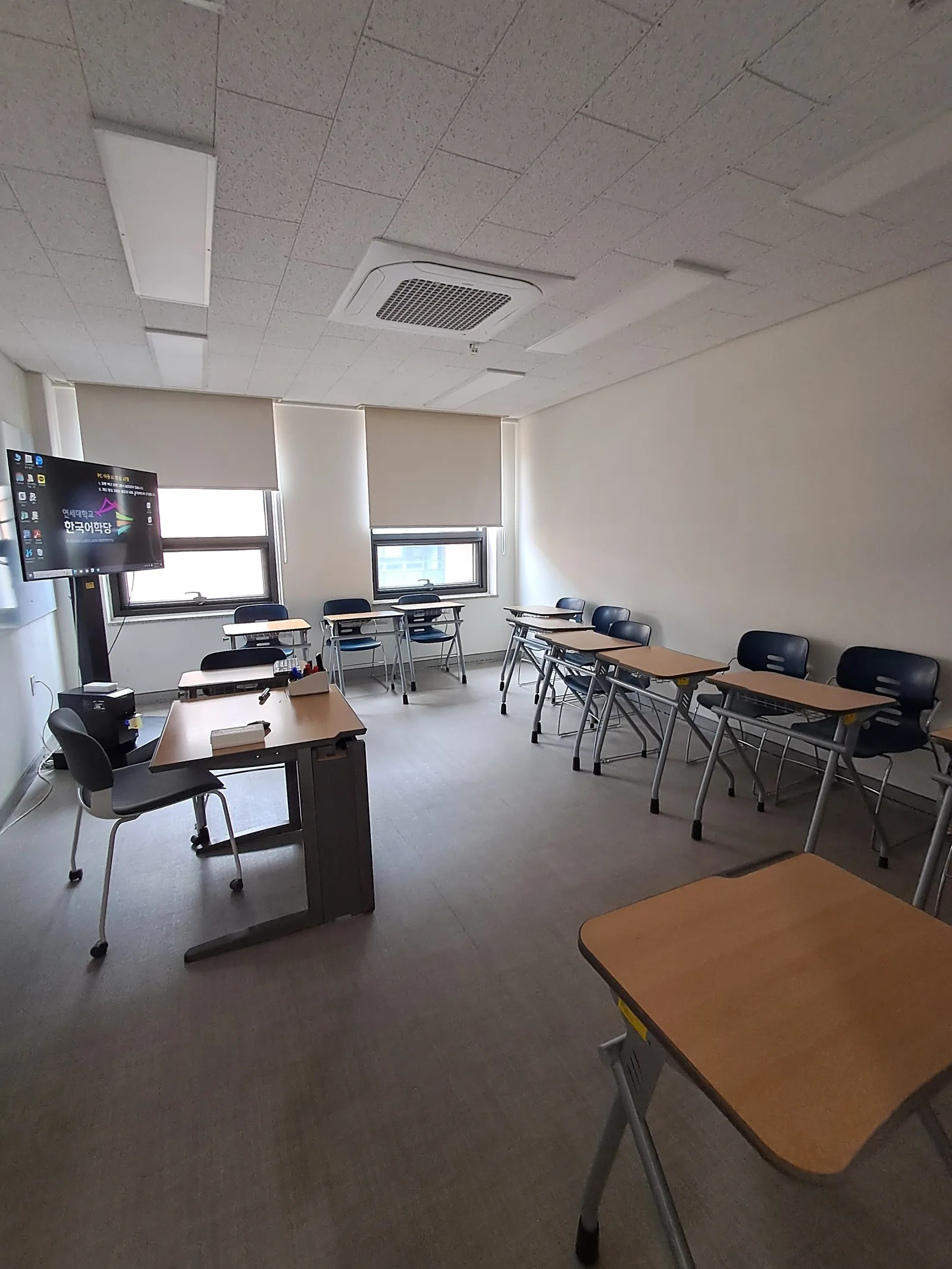
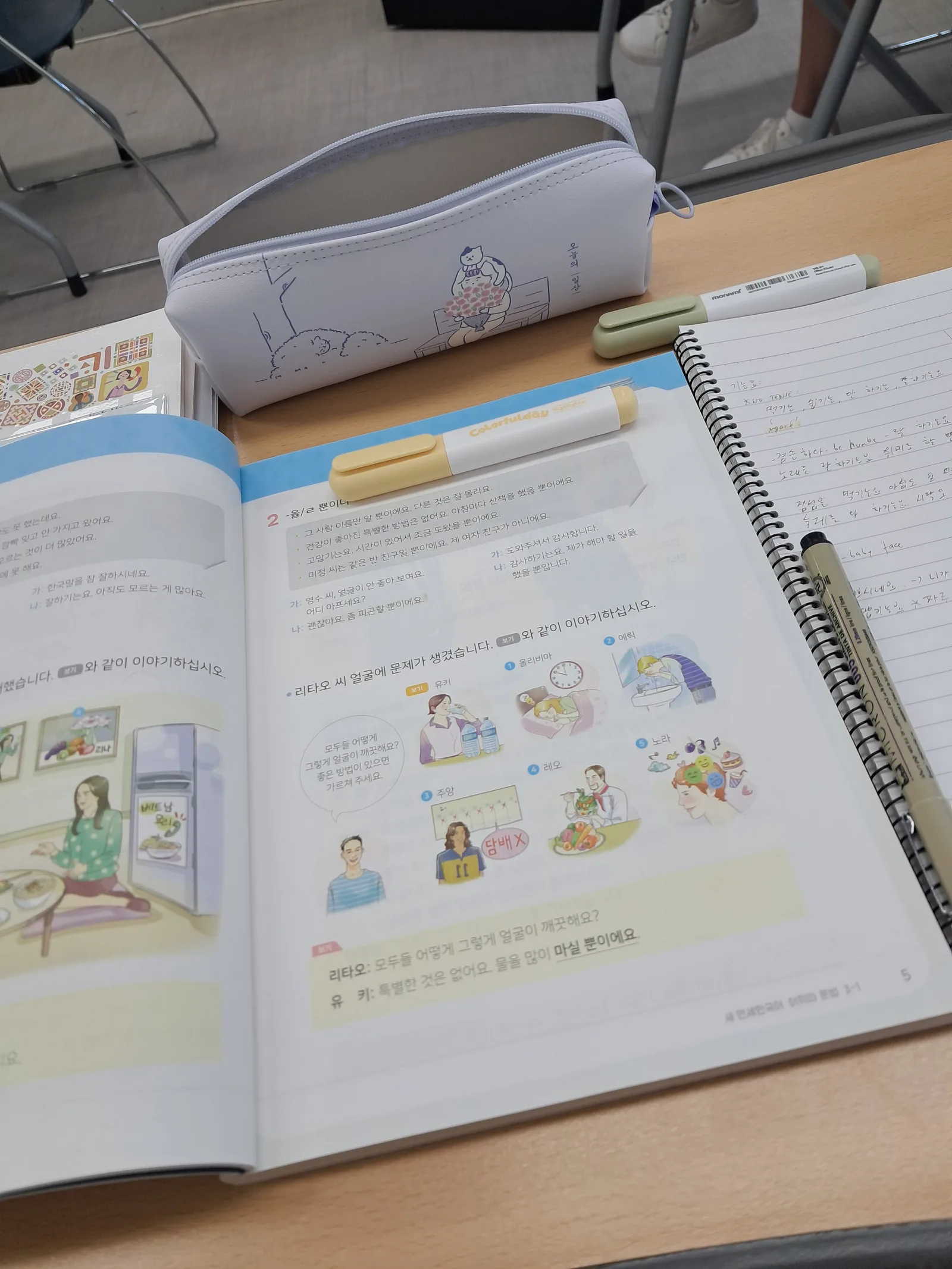
How my language classes looked like
One class day was divided into four 50-minute classes. In the first two classes we learn vocabulary and grammar, in the third one reading and listening, and fourth one speaking and writing. First two classes teaches one teacher, and second two second teacher. And every level, the teachers change, which I think is a good idea, since every teacher has a different teaching style, and some styles suit us more. Now that I’ve completed level 6, I can safely say that level 3 and 6 were my favorite ones.
In level 3 there were 10 of us from different countries. There was one person from Taiwan, one from Japan, one from Brunei, one from France, and the rest were from China.
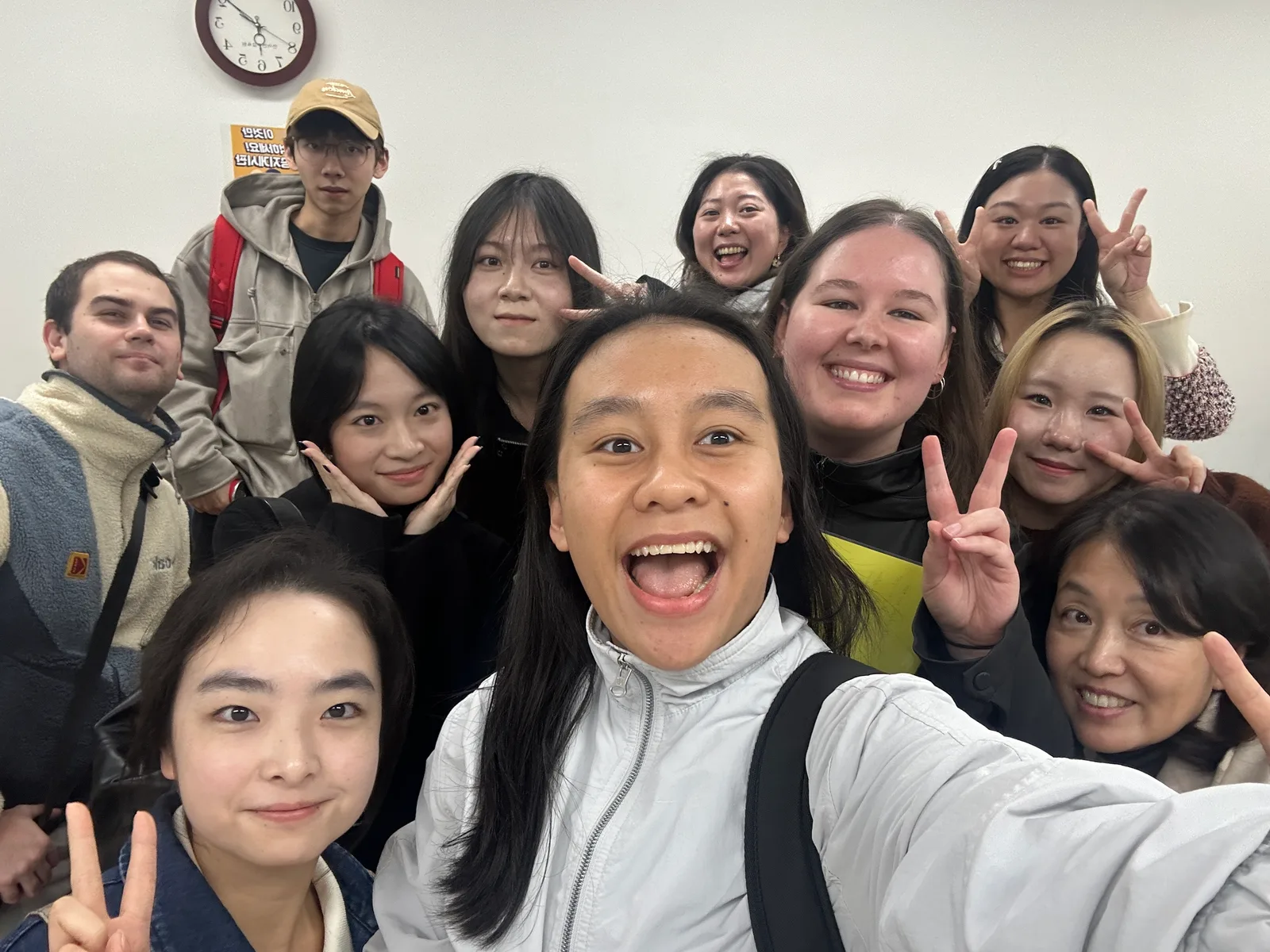
Before coming to Korea, I have already studied Korean for some time, so level 3 was not that hard for me. A lot of the vocab and grammar we covered were already familiar, so I didn’t have to spend that much time actually studying. But it was not without challenges. 😅
How do the exams and grading look like?
As I’ve mentioned, one level spans 10 weeks, and in those 10 weeks we have midterms, finals and 2 presentations. I still remember how shocked and nervous I was when they told us that we have to memorize a 3-minute presentation! Hahah.😅 ( Back then I couldn’t even imagine that I will do a 20-minute one in level 6…) As for the exams, in level 3, we had five. Speaking, reading, listening, writing and reading-out-loud. In the speaking test, the teacher asked us a few questions that were related to what we studied, and we had to use as much vocab and grammar from our lessons. The reading test was just reading texts and answering questions, they test your understanding; listening test, same thing, just listening to certain script or dialogues and answering questions. Writing test was testing our correct usage of grammar, vocab, spelling etc. The reading-out-loud test was up to level 4, we didn’t have it in level 5 and 6. For me personally, the hardest one was the speaking test, since you technically cannot prepare much. You don’t really know what questions they will ask you and what you can answer, and in that moment you cannot think of any vocab or grammar you learned, hahah.
But everything always went well, and I got good grades for both midterm and finals.
Cultural experiences
Every semester there is one day called “Cultural experience day”, where we had opportunity to experience some part of Korean culture. In level 3, we had an opportunity to go to one Gugak (traditional Korean music) studio, where we learned how to play traditional Korean instruments. I really enjoyed this experience because I really like Korean traditional music.
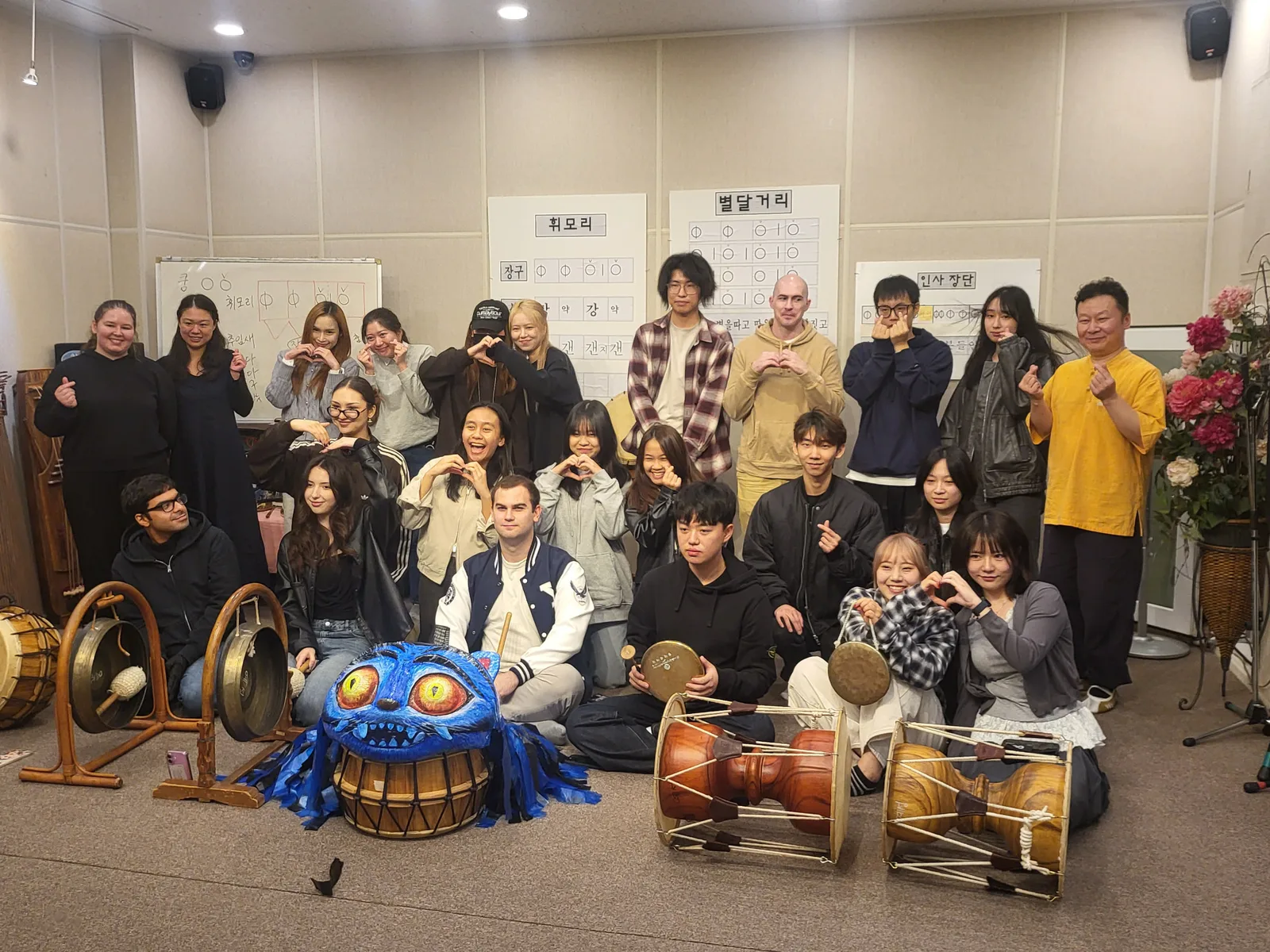
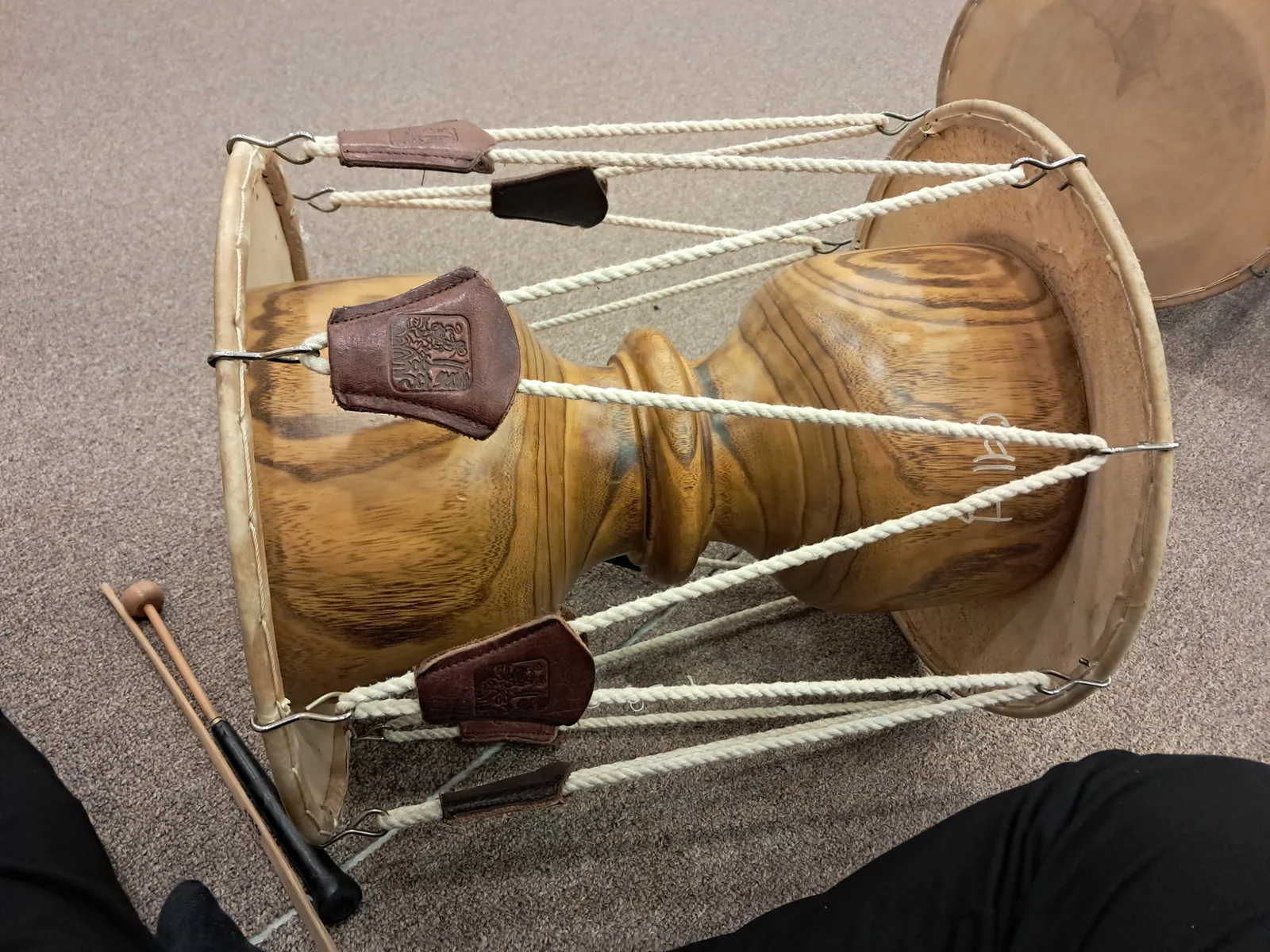
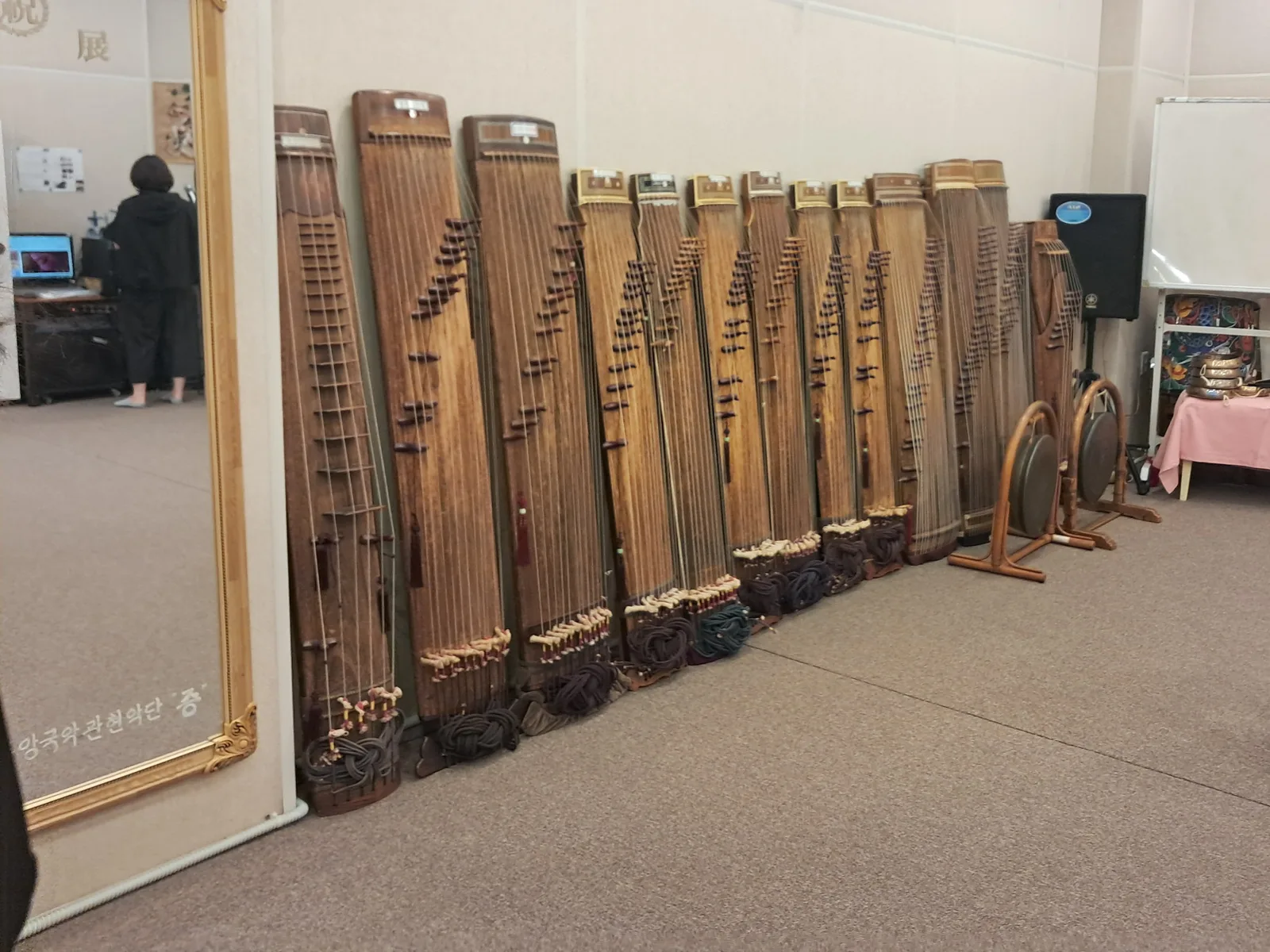
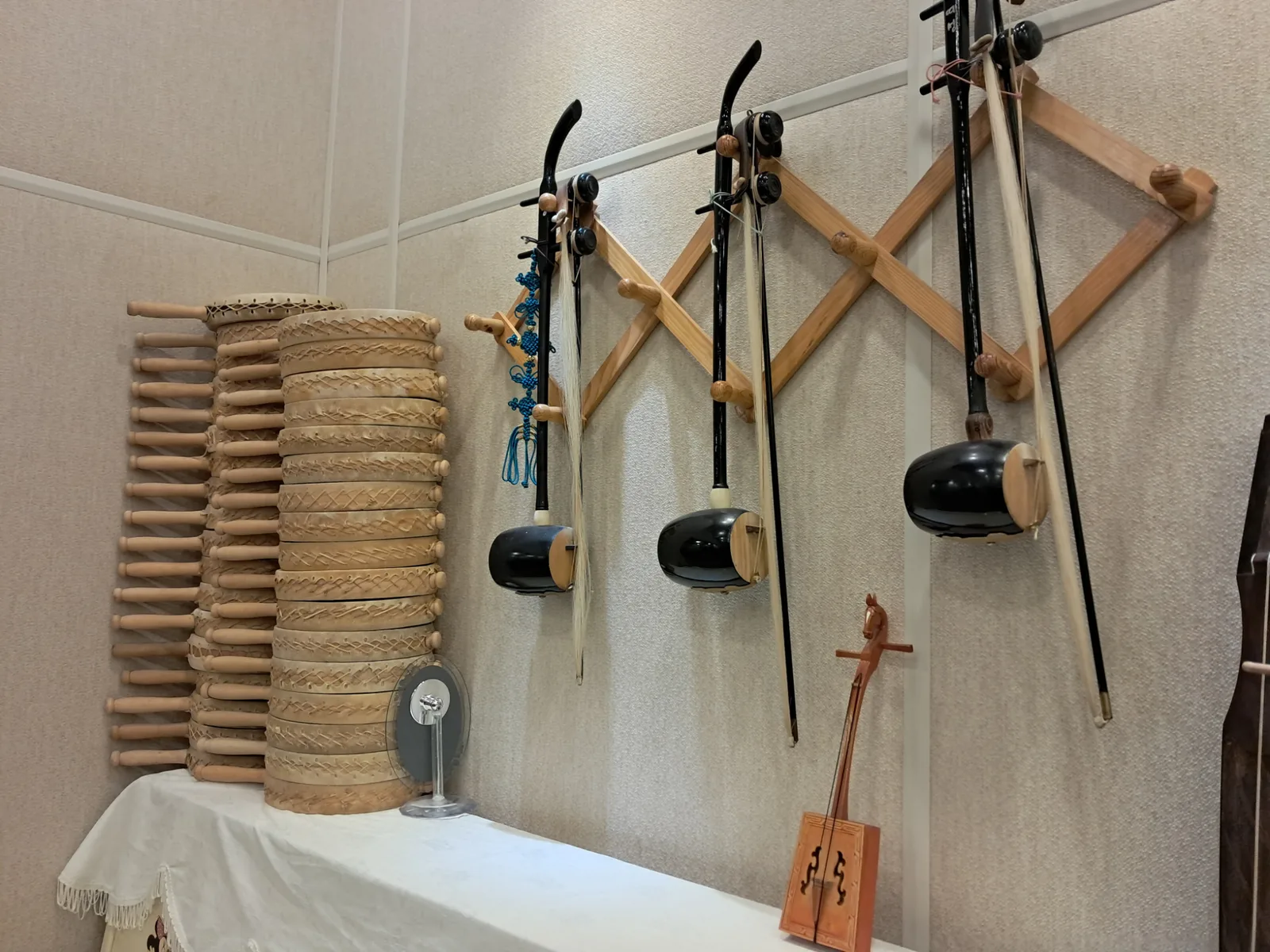
On this link, you can take a look and listen to traditional Korean music & dance called Pungmulnori.
And for everyone interested in hearing more, here you can hear traditional Korean singing called "Pansori", and traditional Korean folk circle dance "Ganggangsullae"
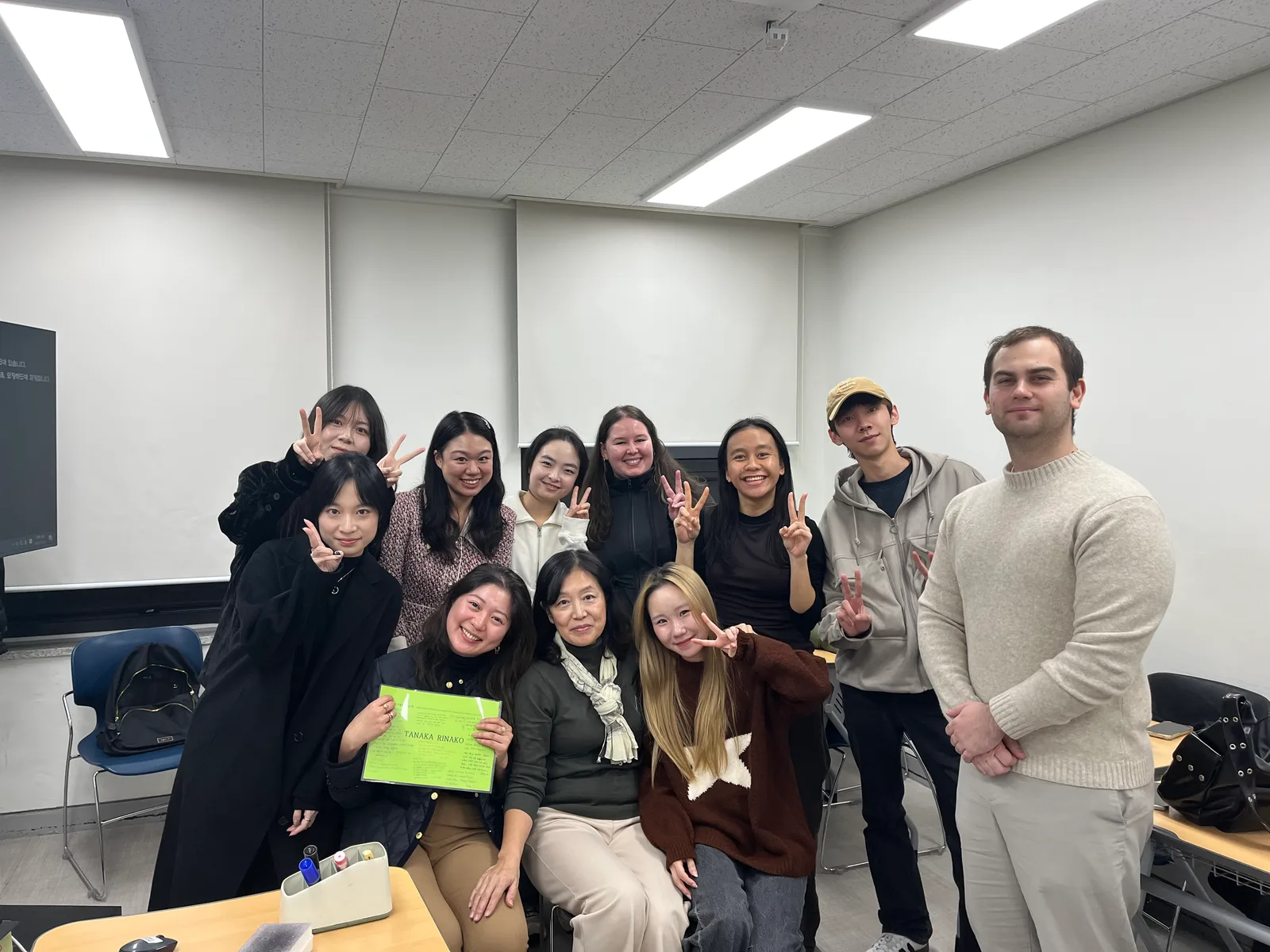
In level three, I had one great teacher named Mrs. Lee, and she was in charge of our second two classes. She was very positive and always tried to create a pleasant and friendly atmosphere and made everyone feel included. Her classes were always interesting and never boring. She even invited me to have lunch with her a few times, which was very nice of her!
In level three I was living in the dorm, so I couldn’t cook for myself, so the only options were student canteen or eating out in restaurants. I actually really love student canteen in Korea. Every university has its own canteens. Yonsei has like 5-6, as far as I know, and all of them are unique. My favorite one is one buffet-style canteen, where you can choose what and however much you want. 😋
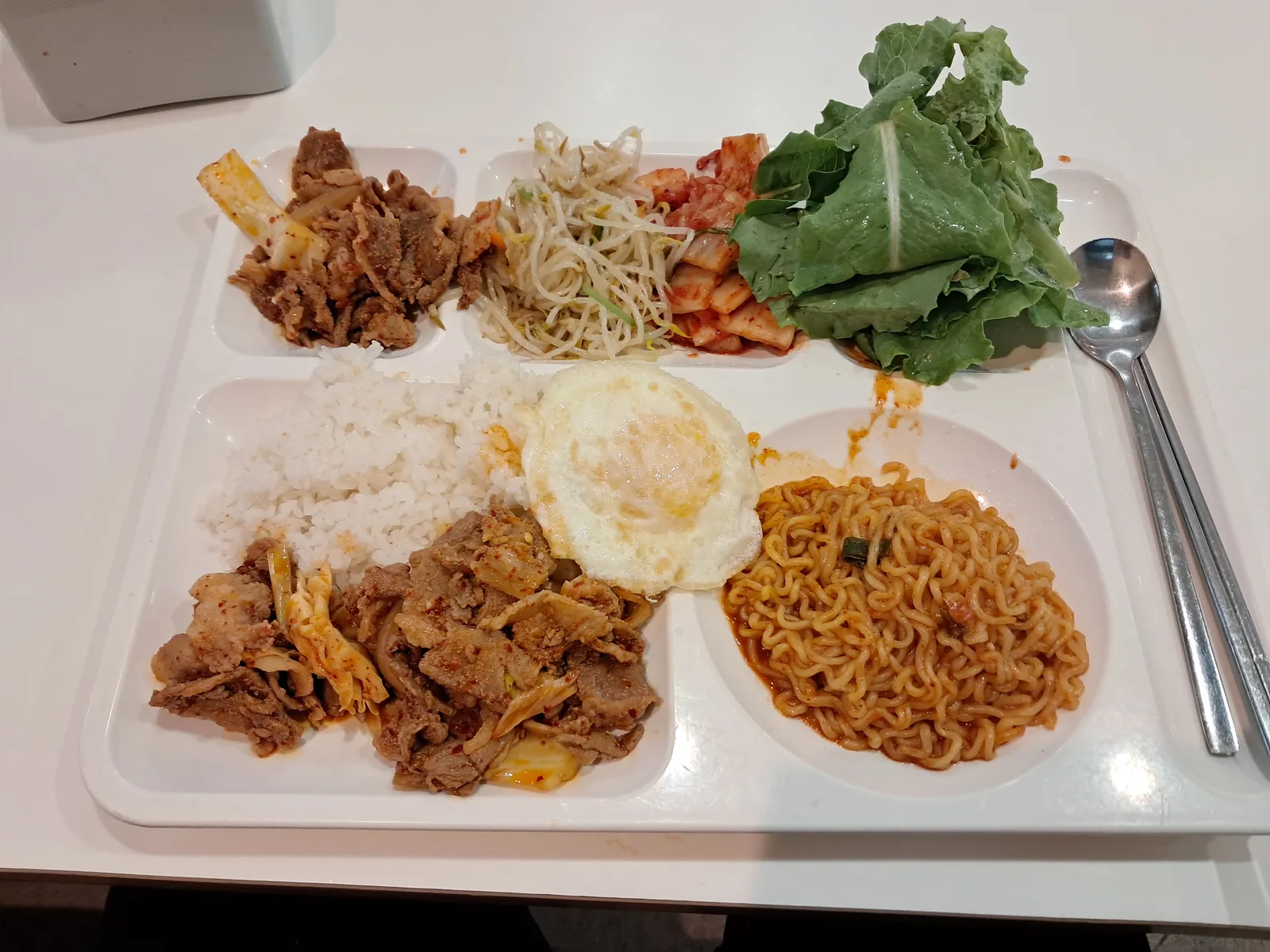
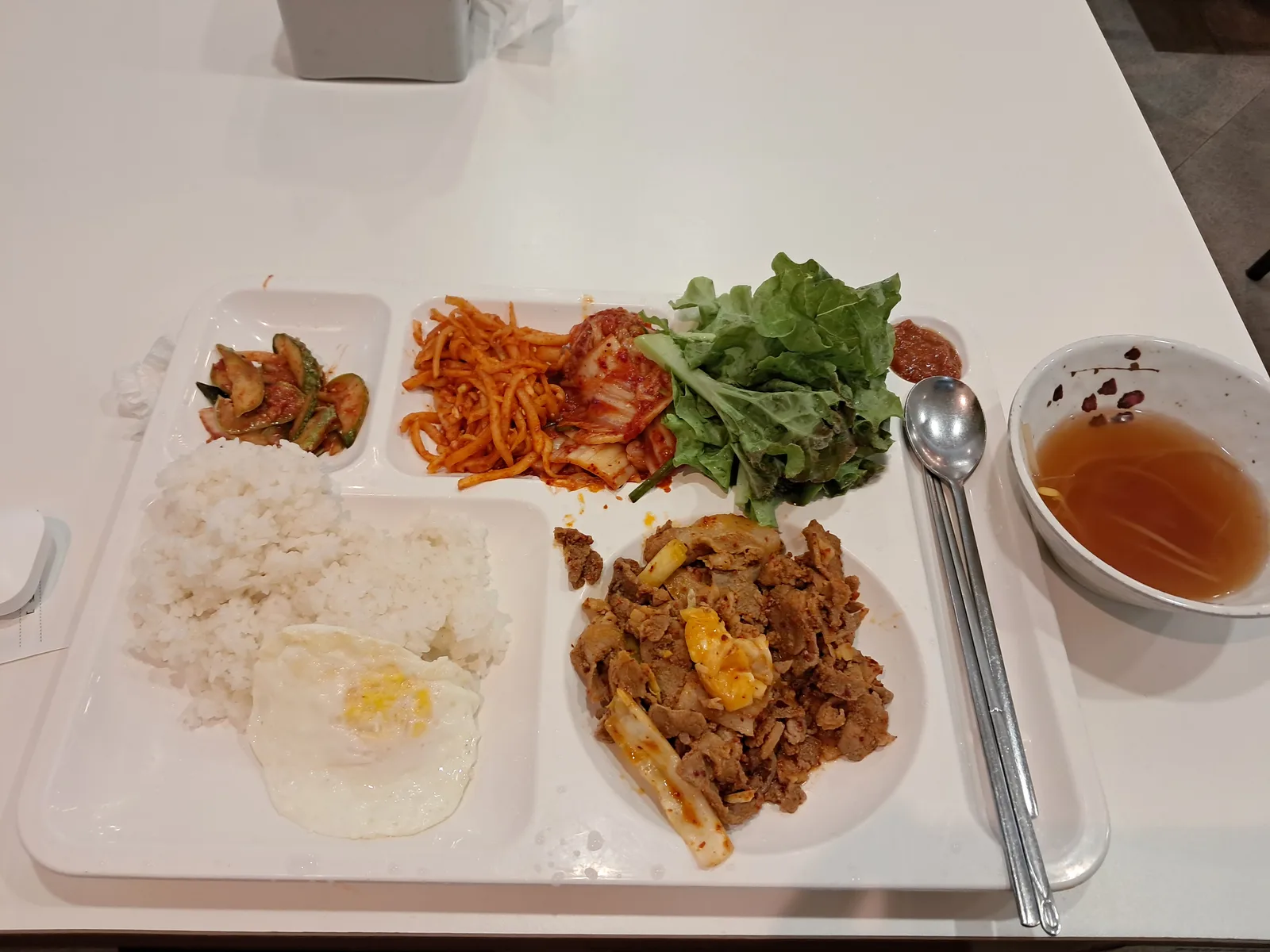
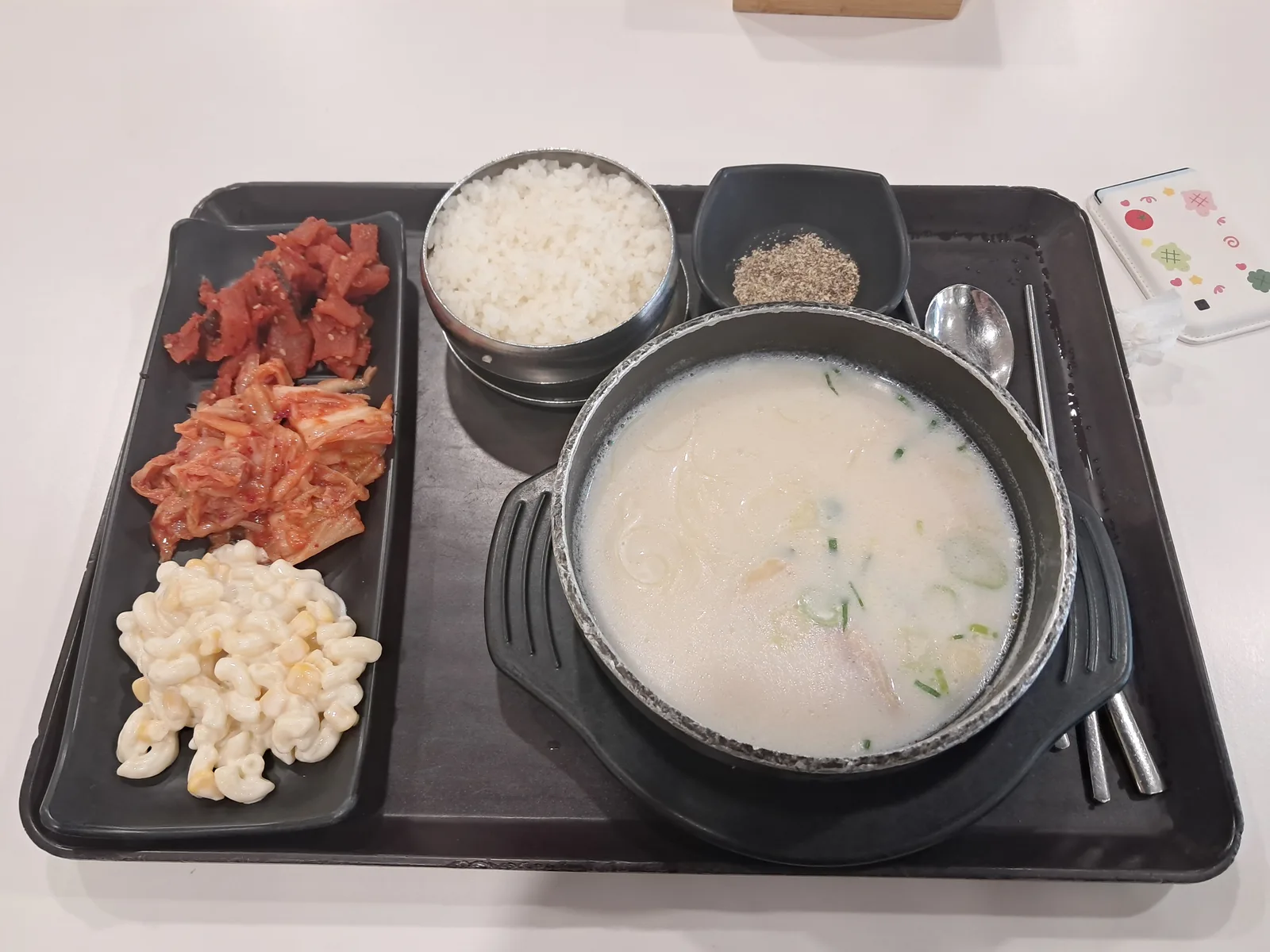
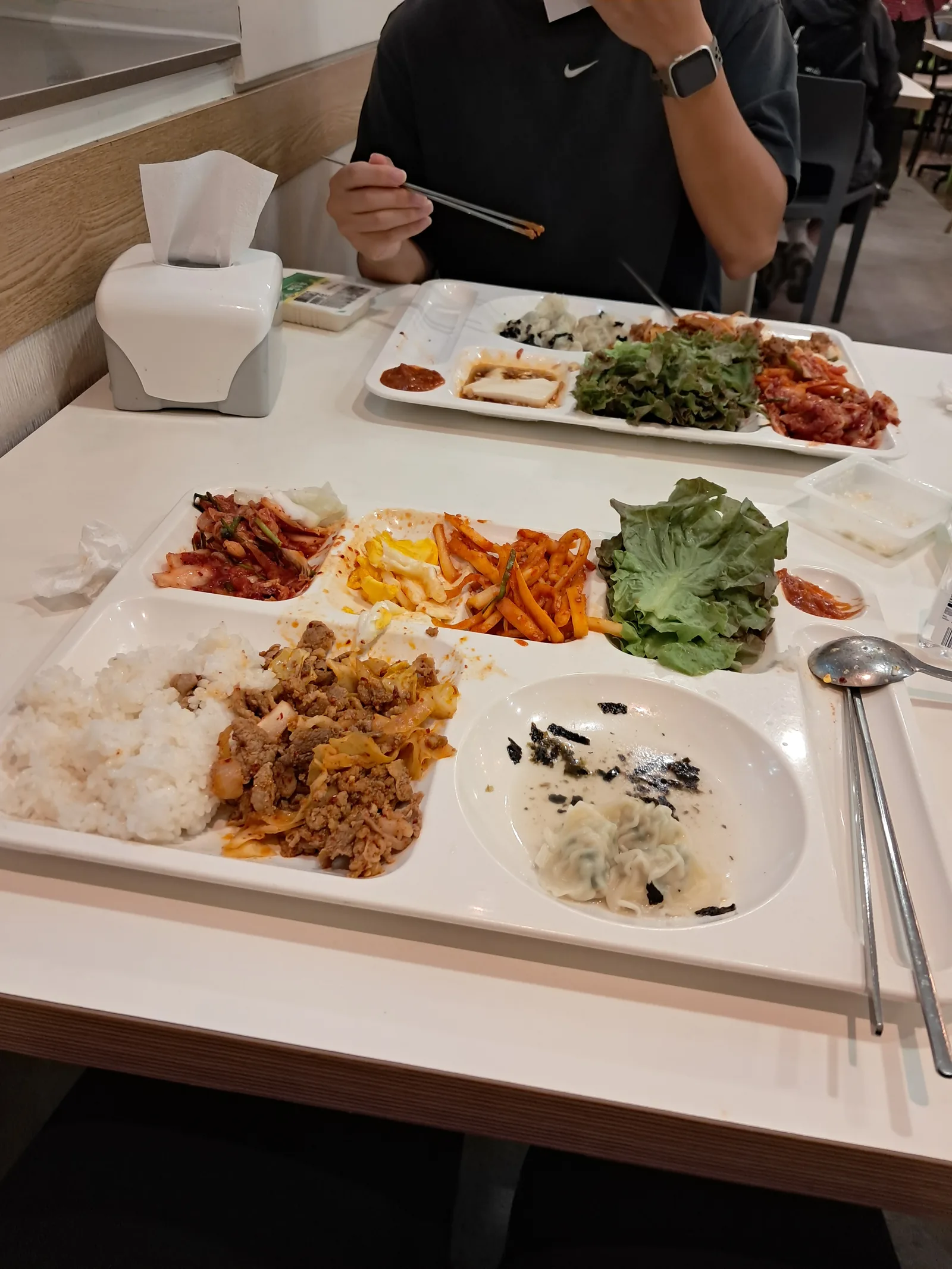
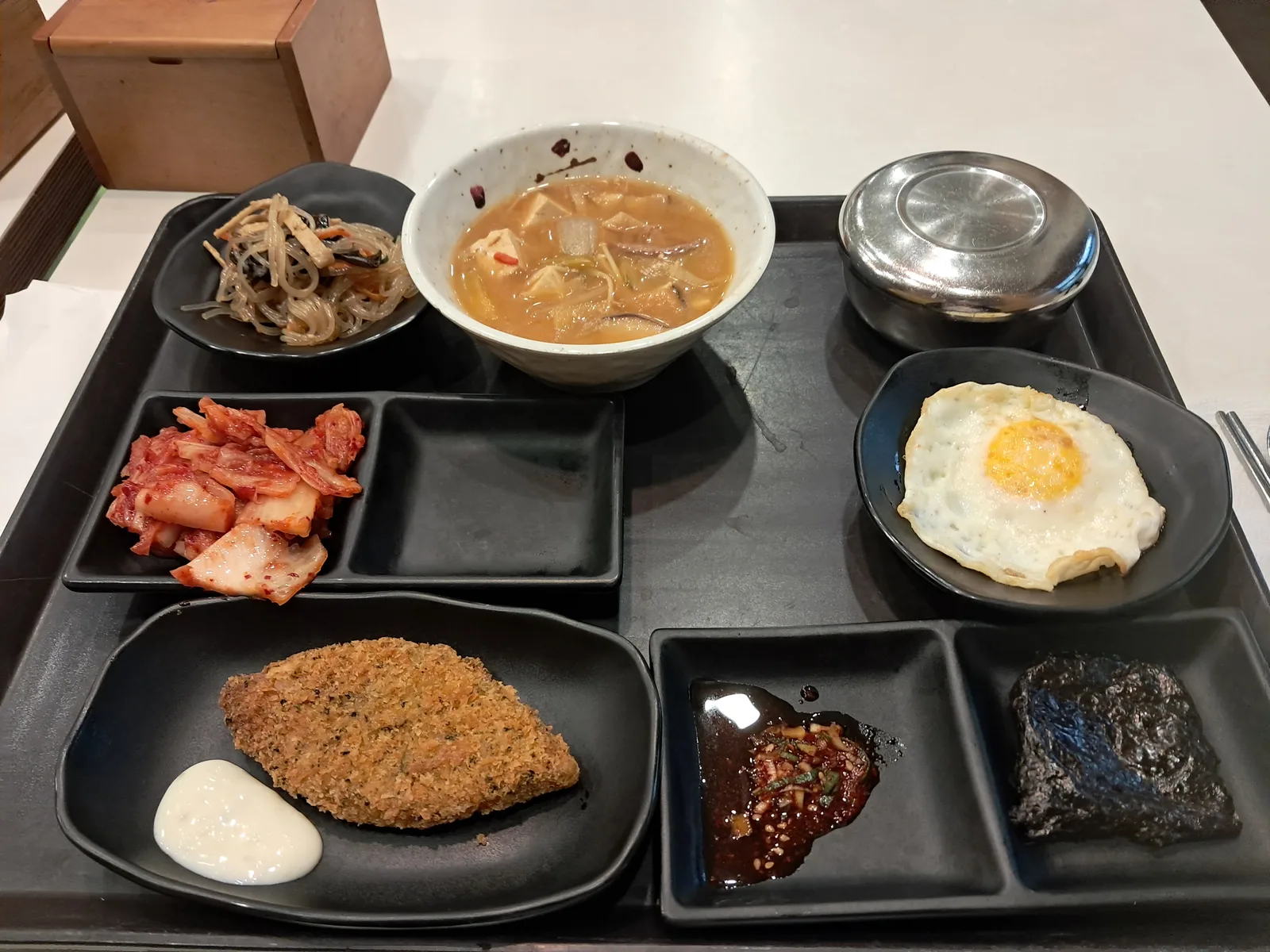
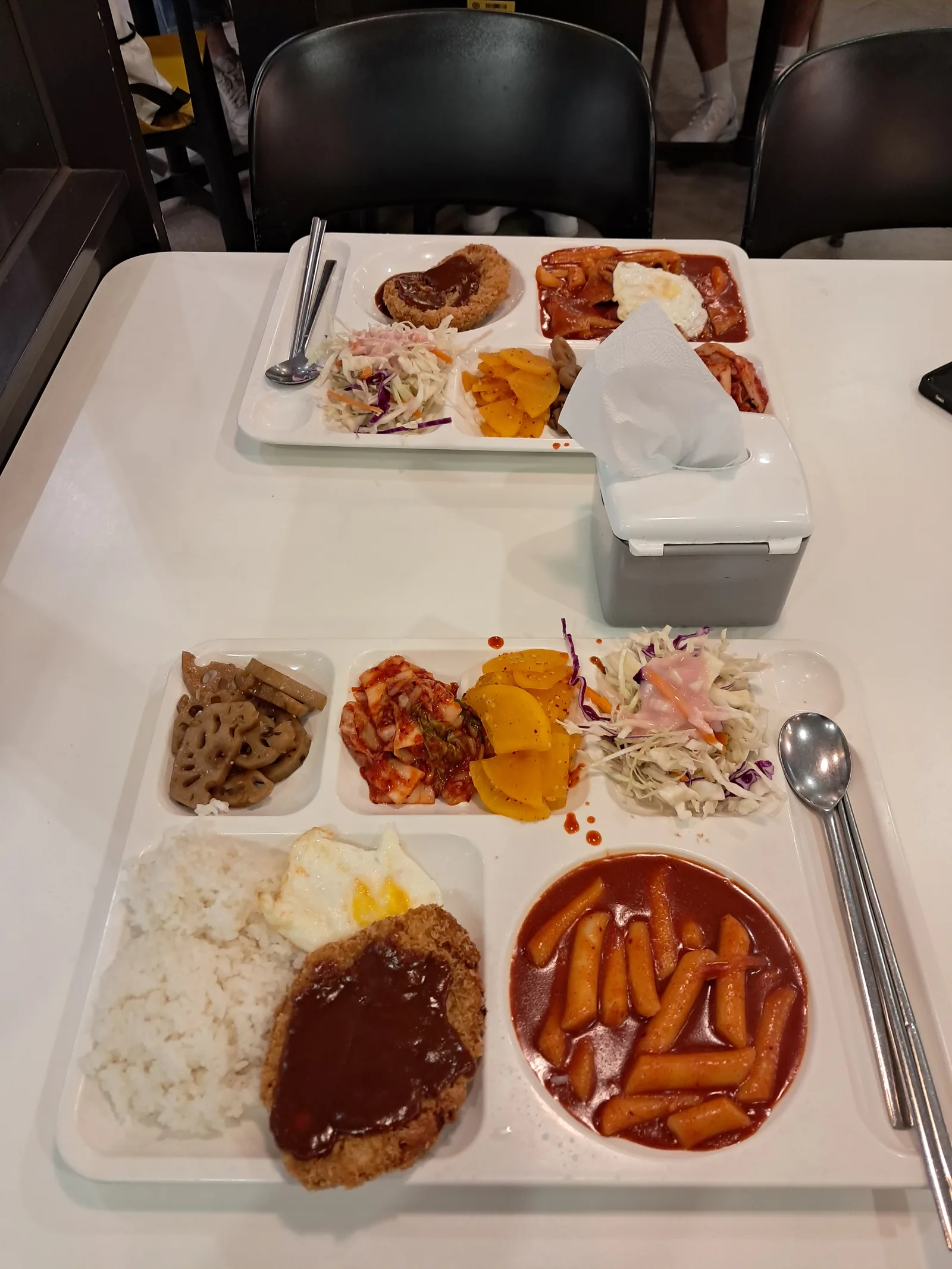
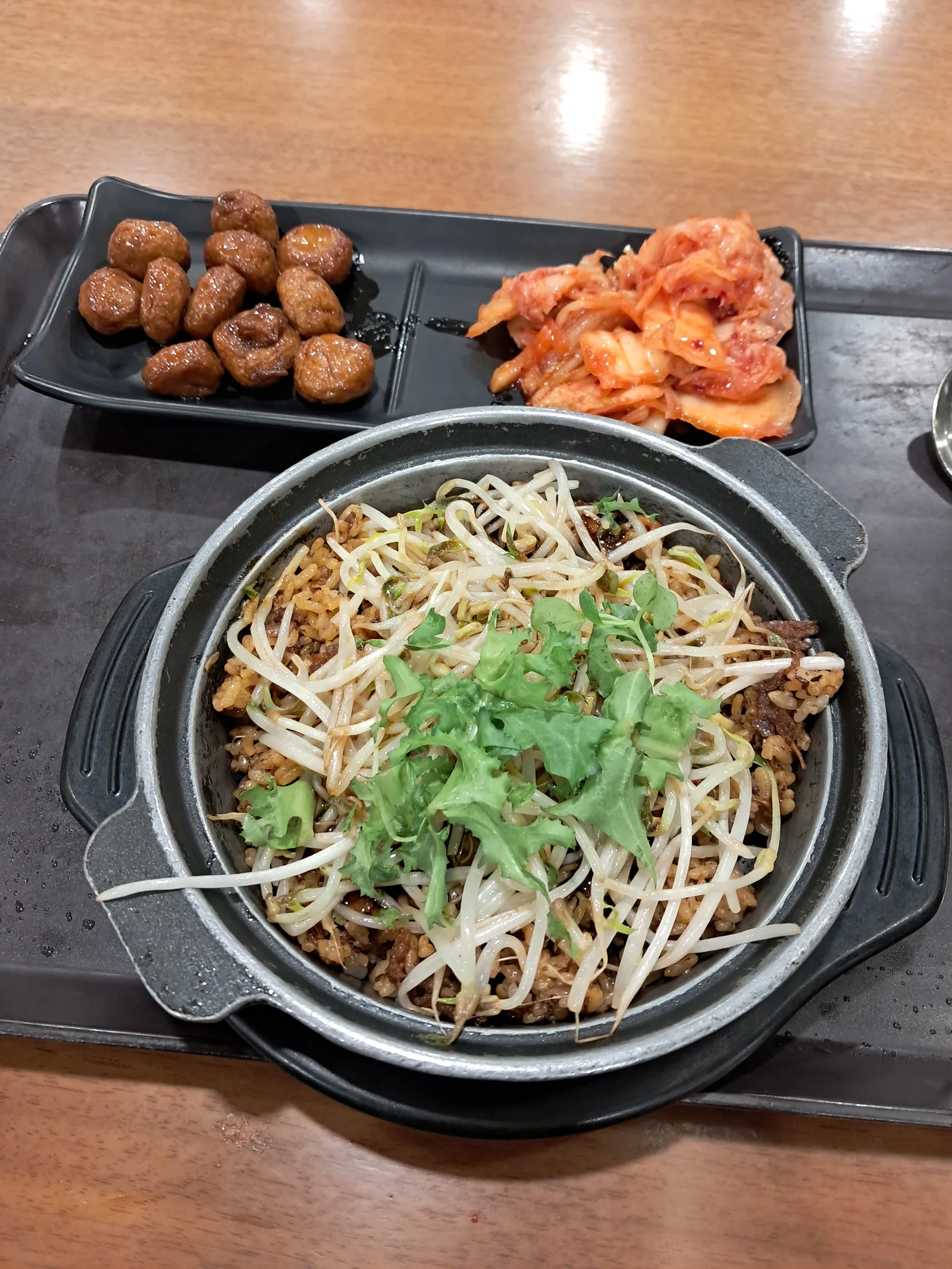
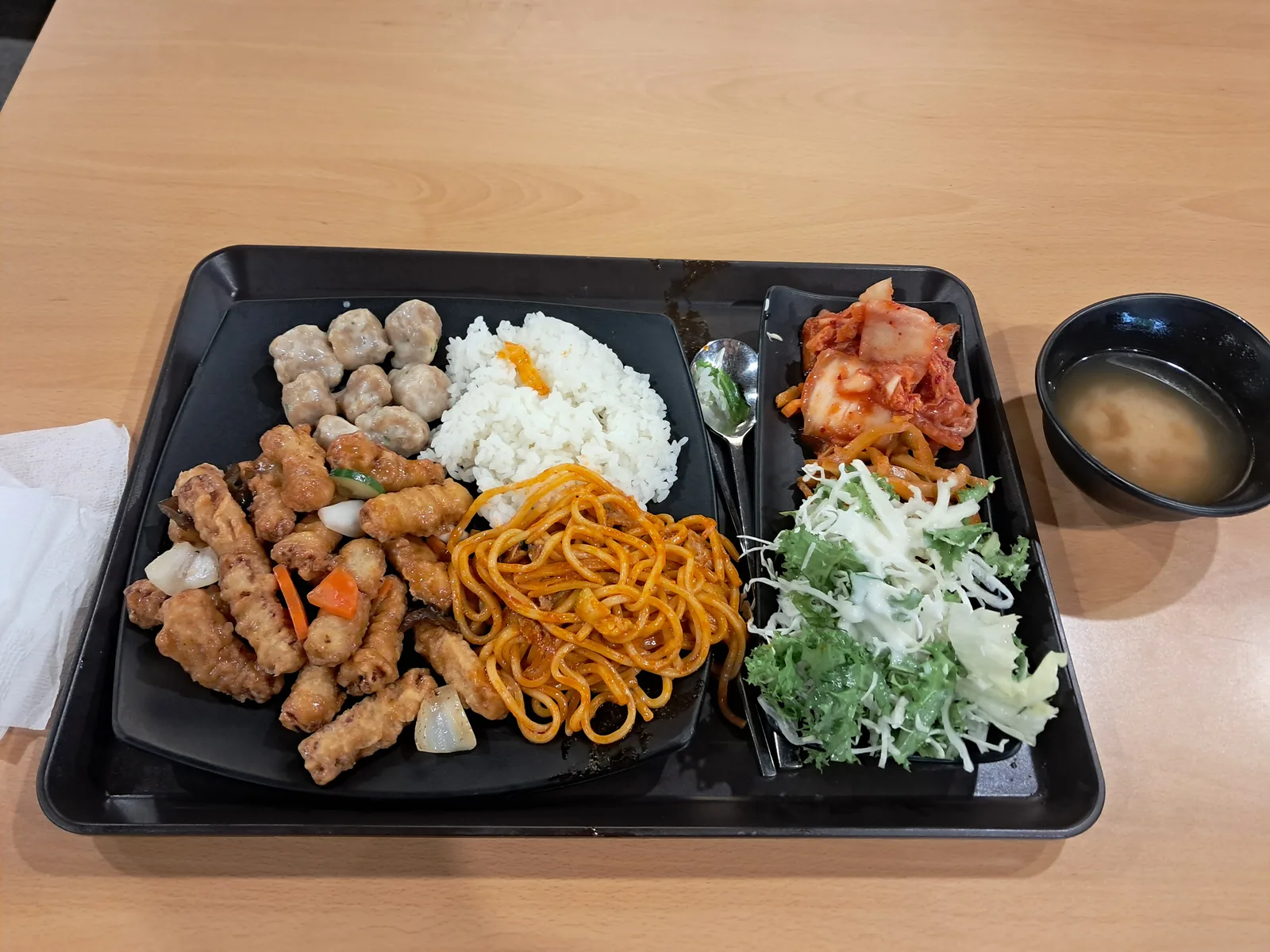
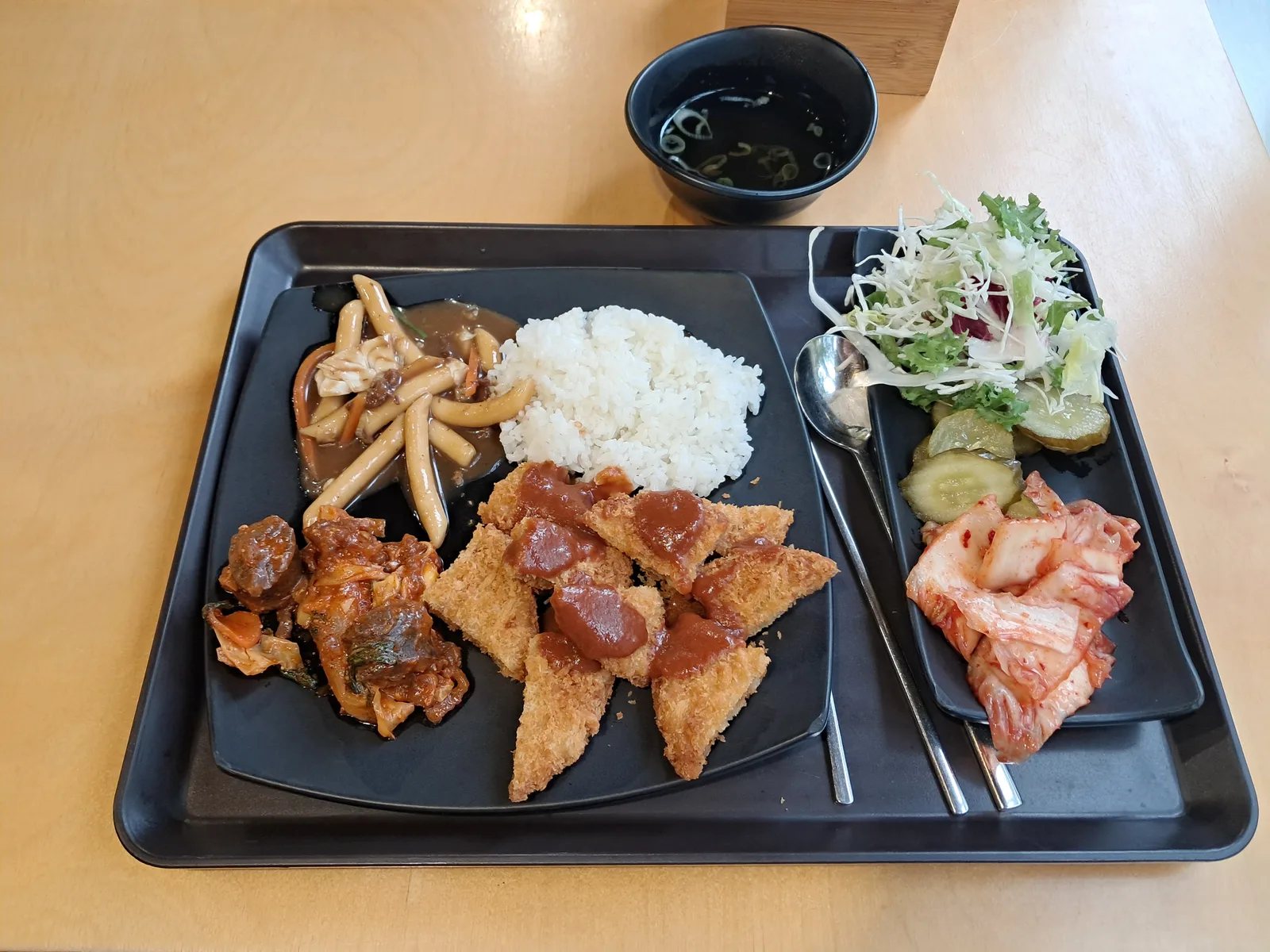
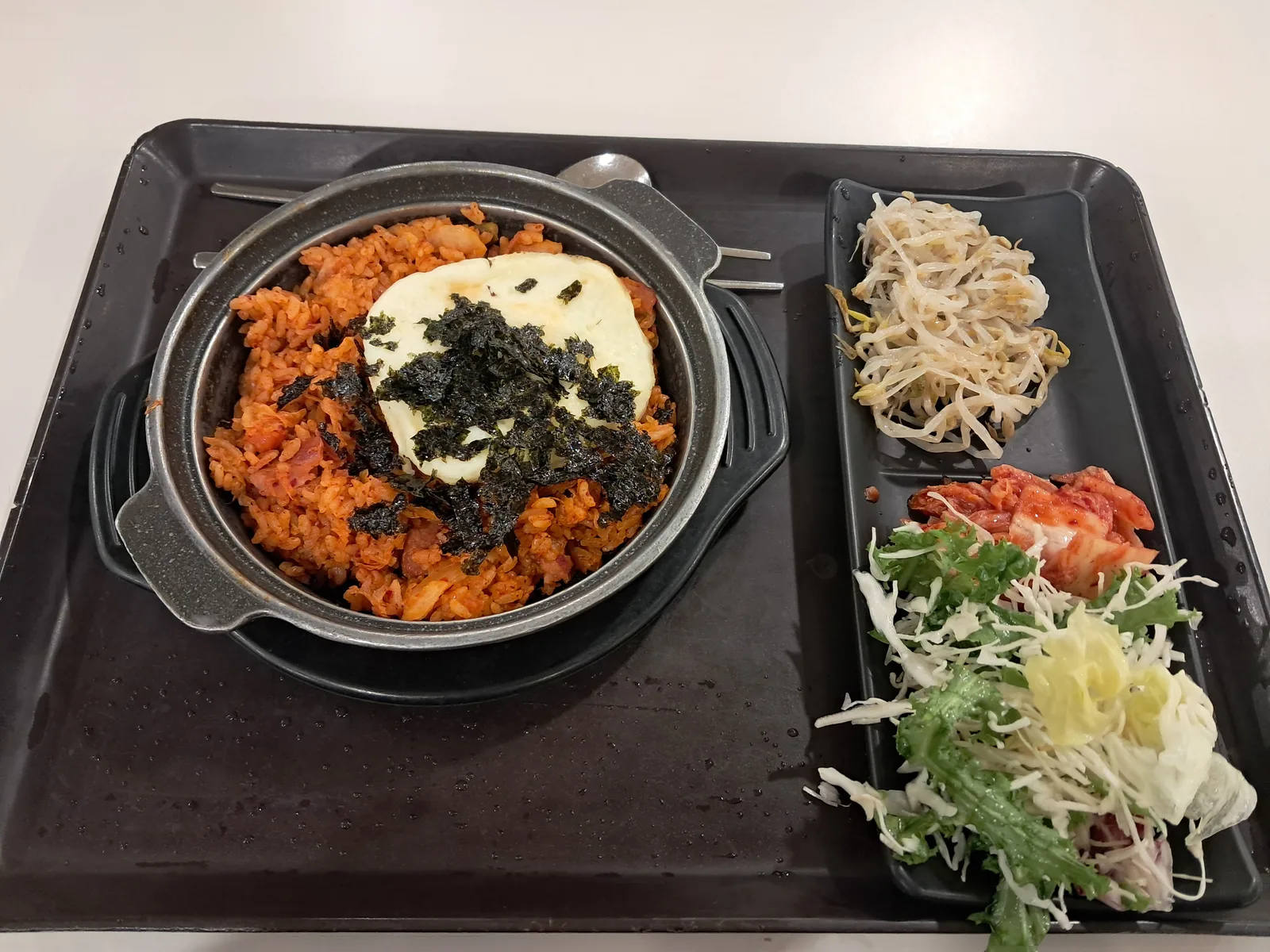
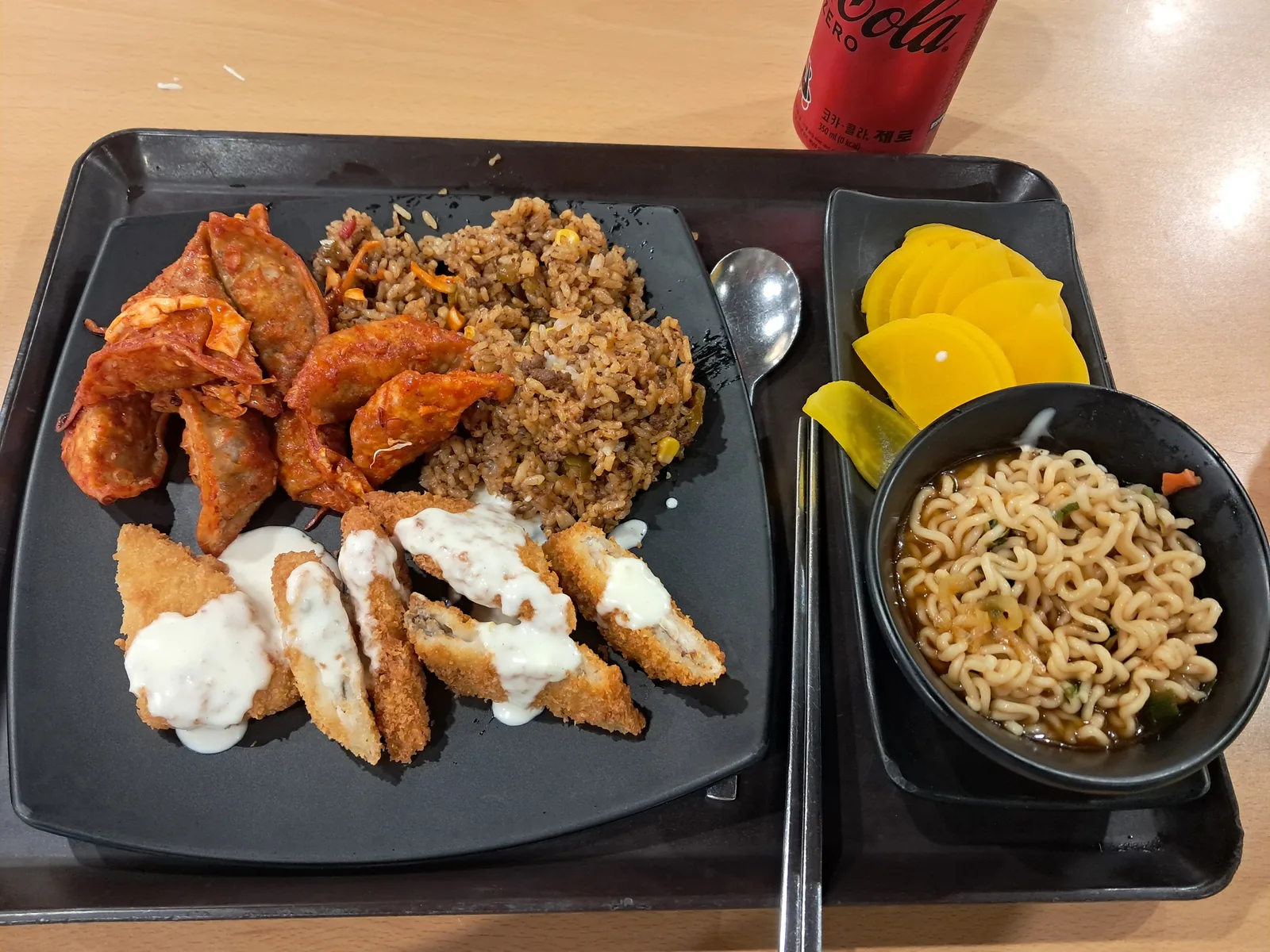
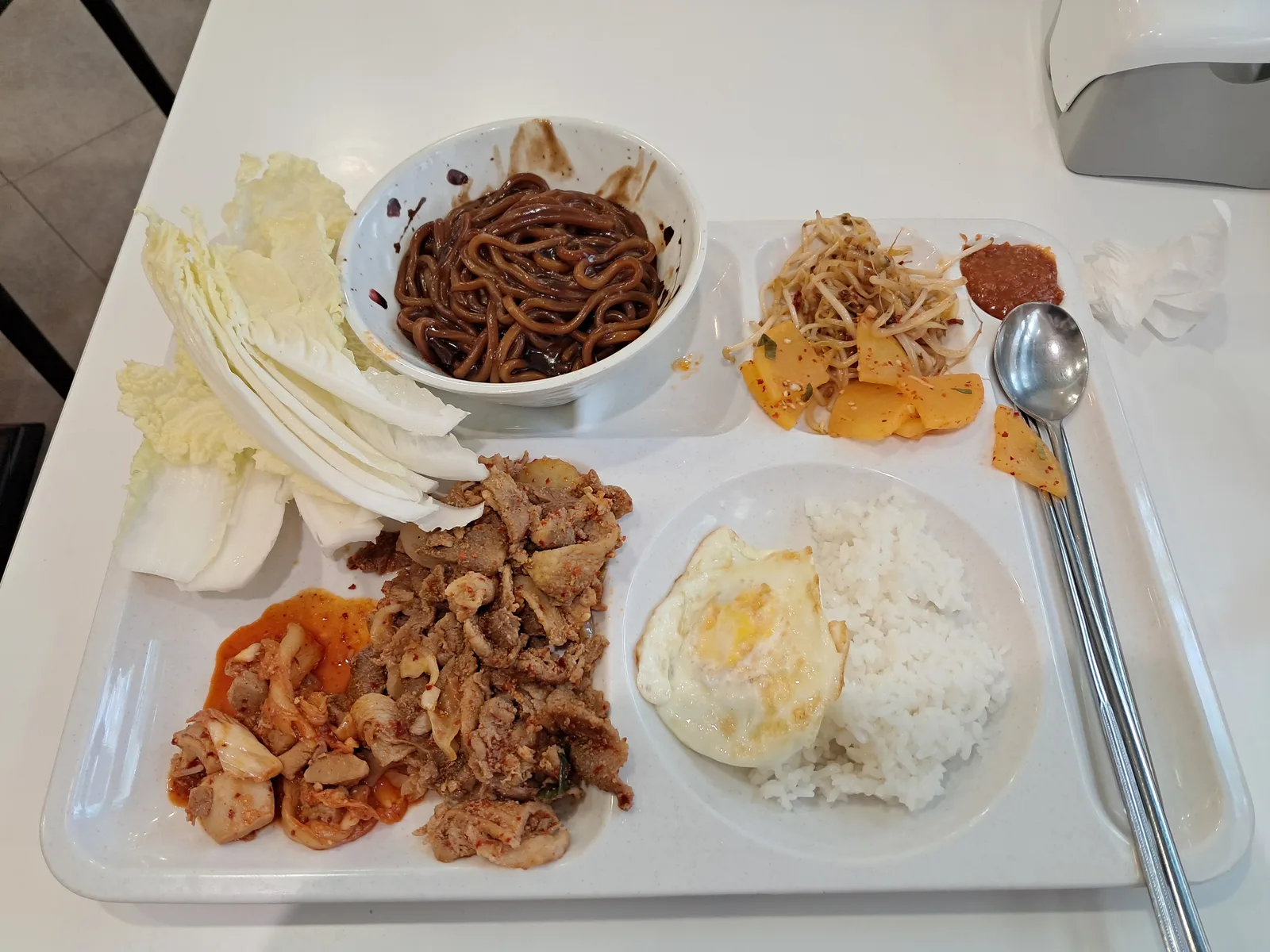
A lot of people in Korea don’t cook at home but eat out in restaurants. I would say the situation is a bit different than Serbia. There are so many restaurants, and you can really find some cheap and tasty food. A lot of the restaurants serve hearty home-style cooked food. There is one restaurant chain called “Kimbap heaven”, which exists ever since 90s, that serves cheaper range, fast dishes that are popular with students and office workers that don’t have a lot of time to eat.. And you can find this restaurant literally on every corner, haha.
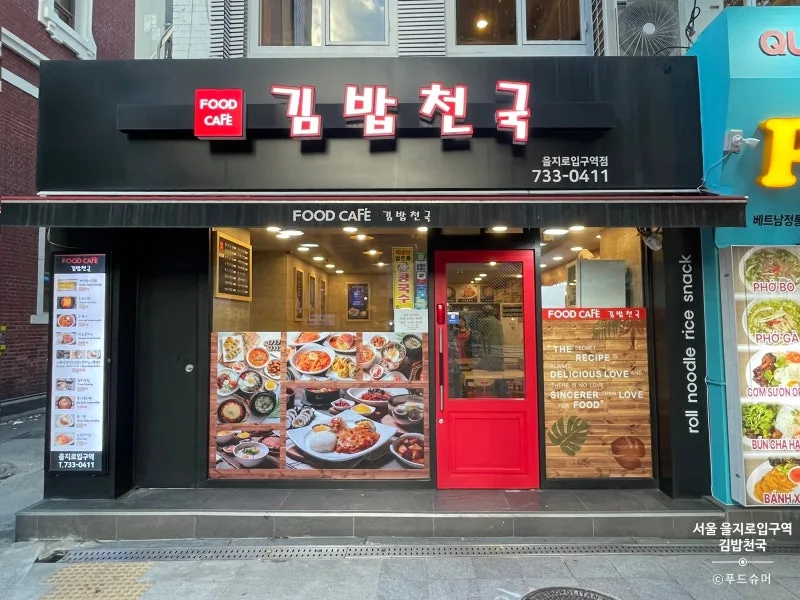
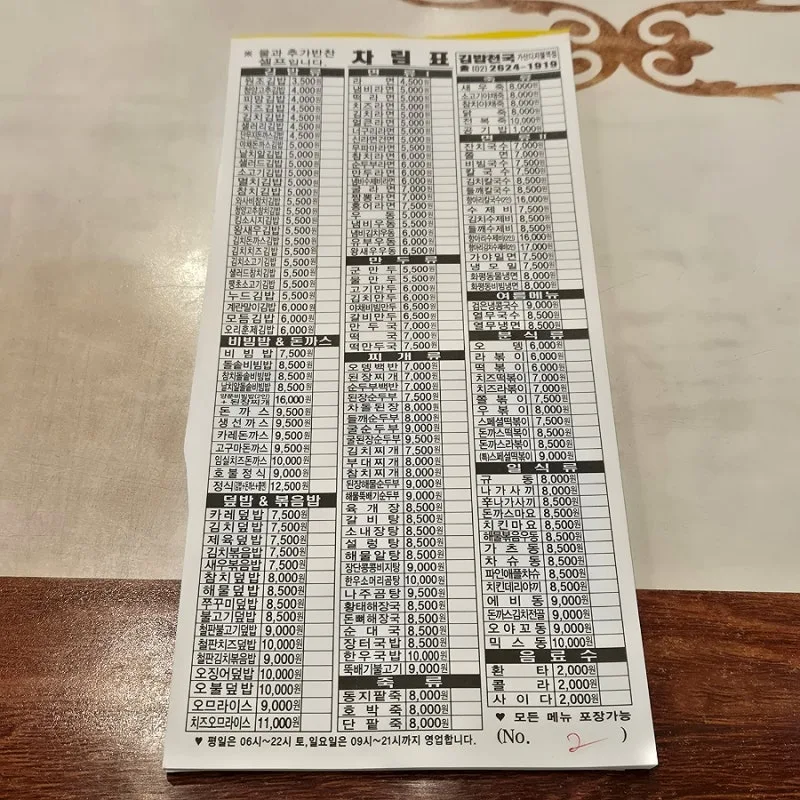
Here, kimbap is what you eat when you want to eat something quick, cheap yet filling. (Kim, in Korean means seaweed, and Bap means rice) Kimbap is made with rice, and fillings such as veggies, meat, tuna or eggs, along with yellow pickled radish (danmuji), which gives it slightly sweet and tangy flavour. Everything is rolled in a sheet of seaweed.. A lot of people mistake kimbap for sushi, but they’re actually quite different. Kimbap, a Korean dish, has rice seasoned with sesame oil and salt, while sushi, a Japanese dish, uses rice seasoned with rice vinegar, sugar, and salt. Kimbap usually contains cooked ingredients, while sushi can include raw fish, cooked seafood, or vegetables.Kimbap in such restaurants like Kimbap Heaven is usually around 200~400 dinar, but you can also find it in convenience stores for 100~200 dinar.
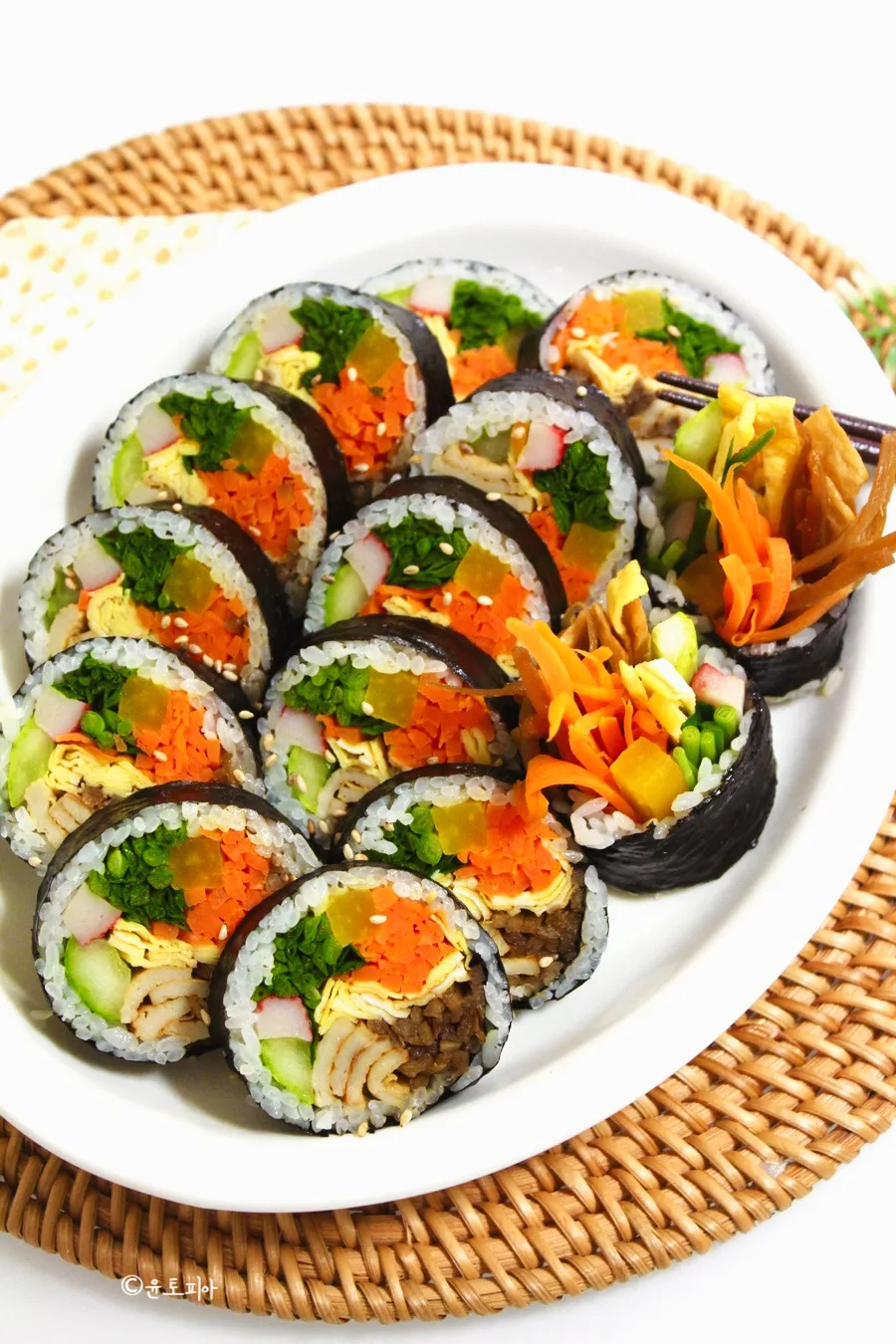 Kimbab
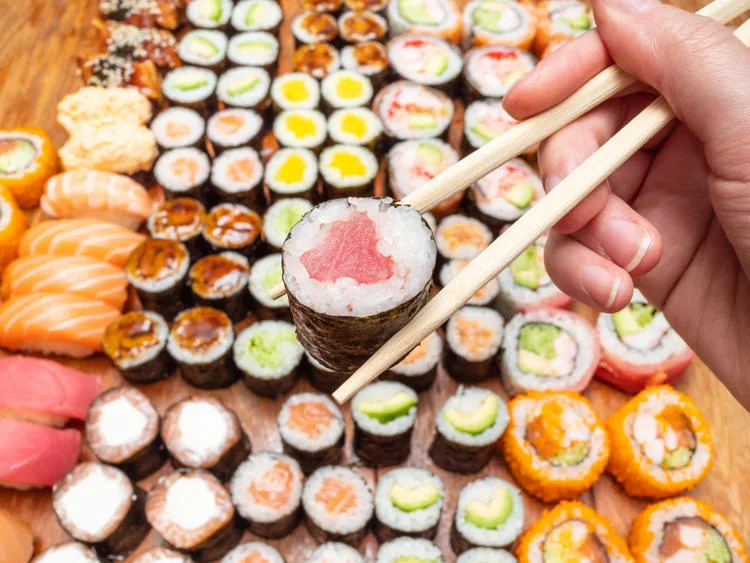 Sushi
My University
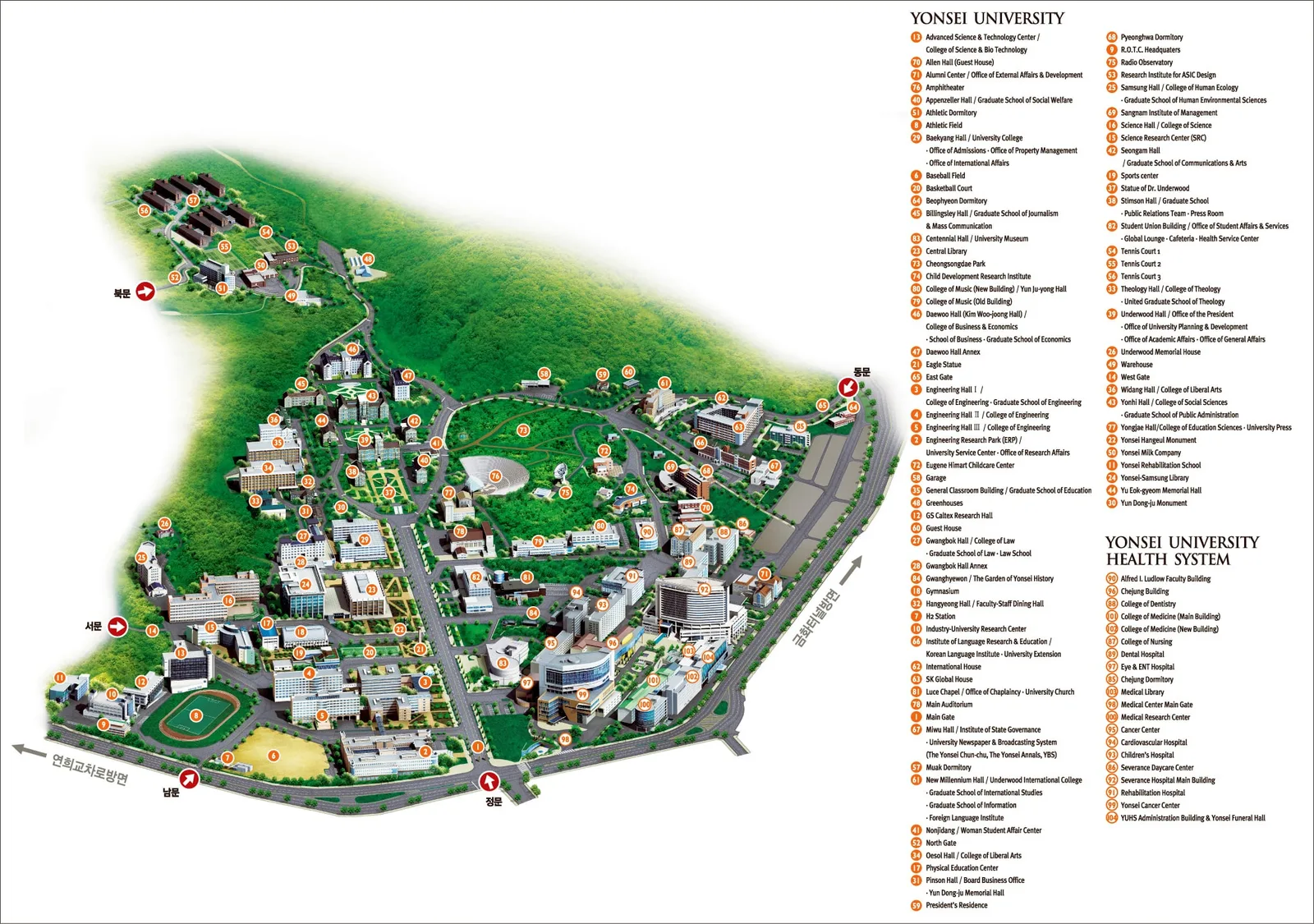
Yonsei University campus is truly beautiful. And the campus is huge! There are so many trees and the architecture is just stunning. There are a lot of different department buildings, so I was really surprised at the size of the campus. Yonsei is one of the top 3 universities in Korea, and I feel like it deserves that title, hehe.
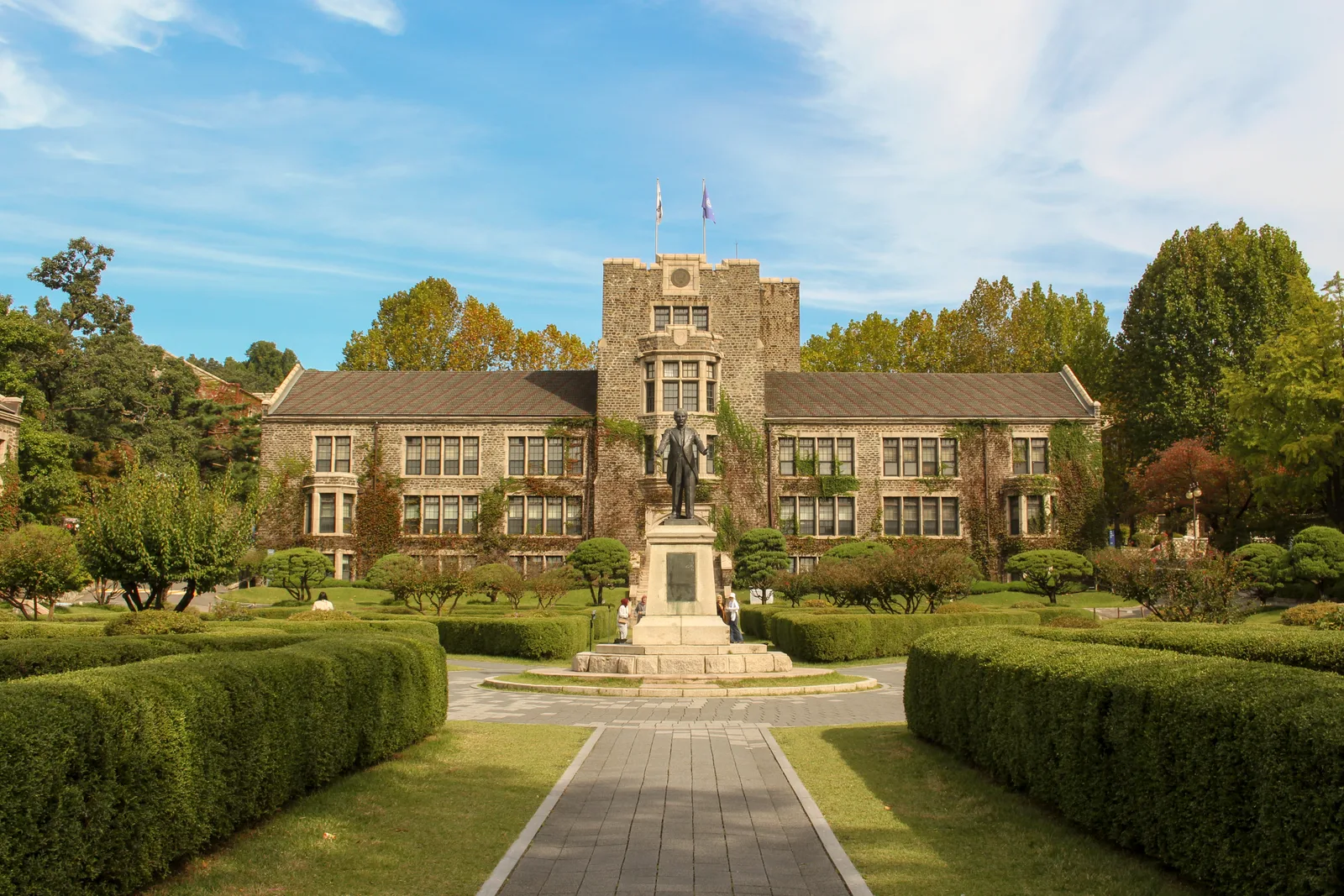
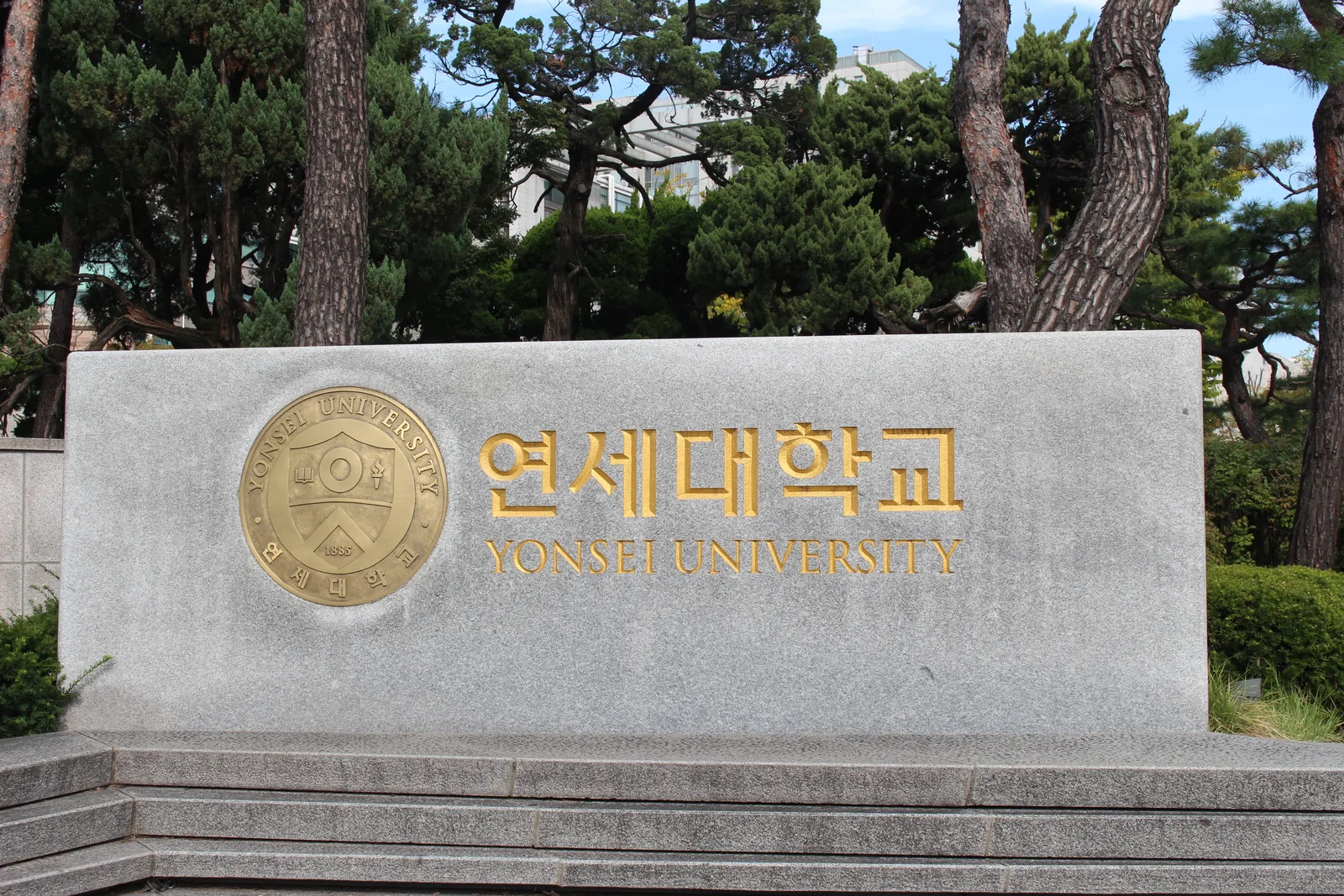
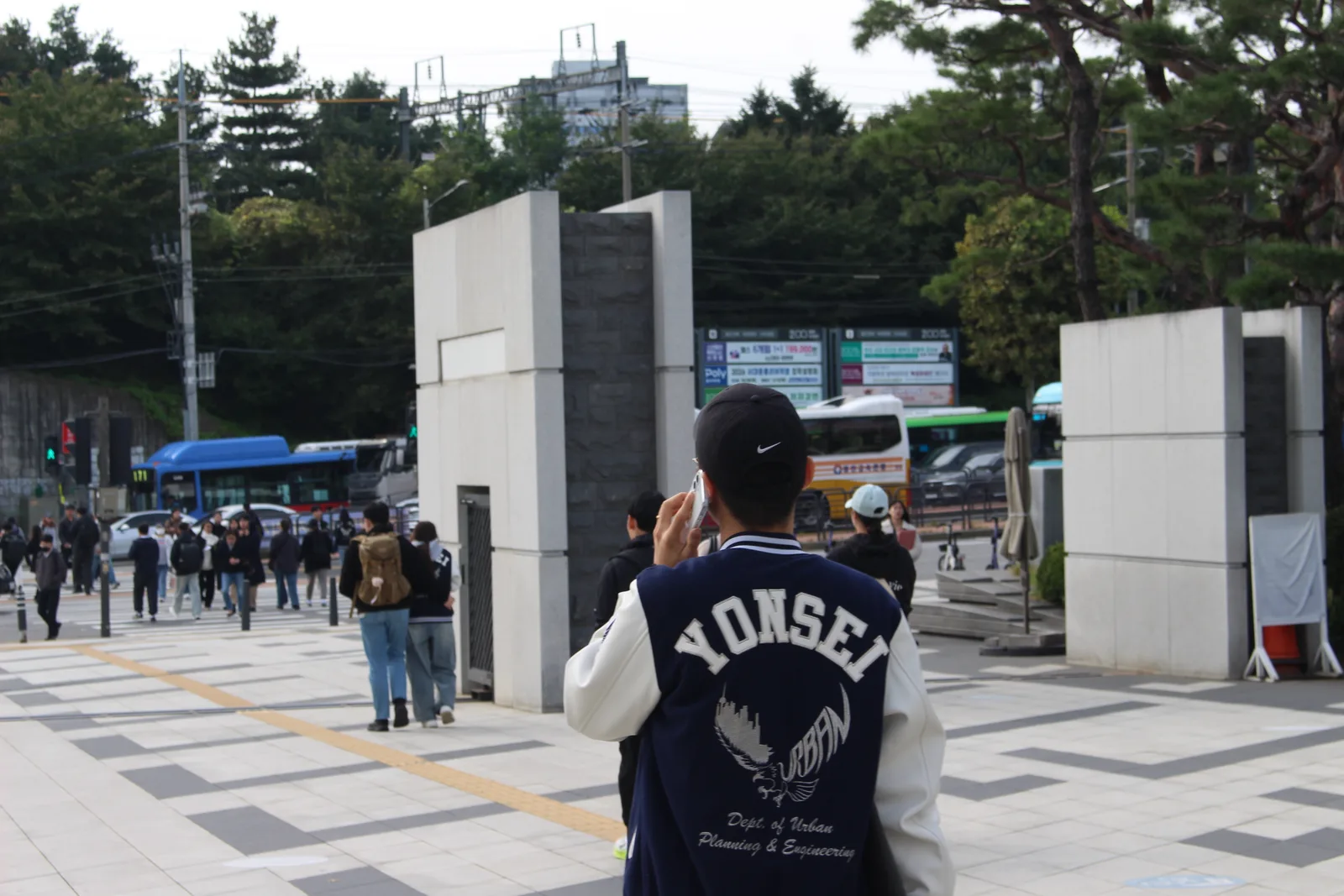
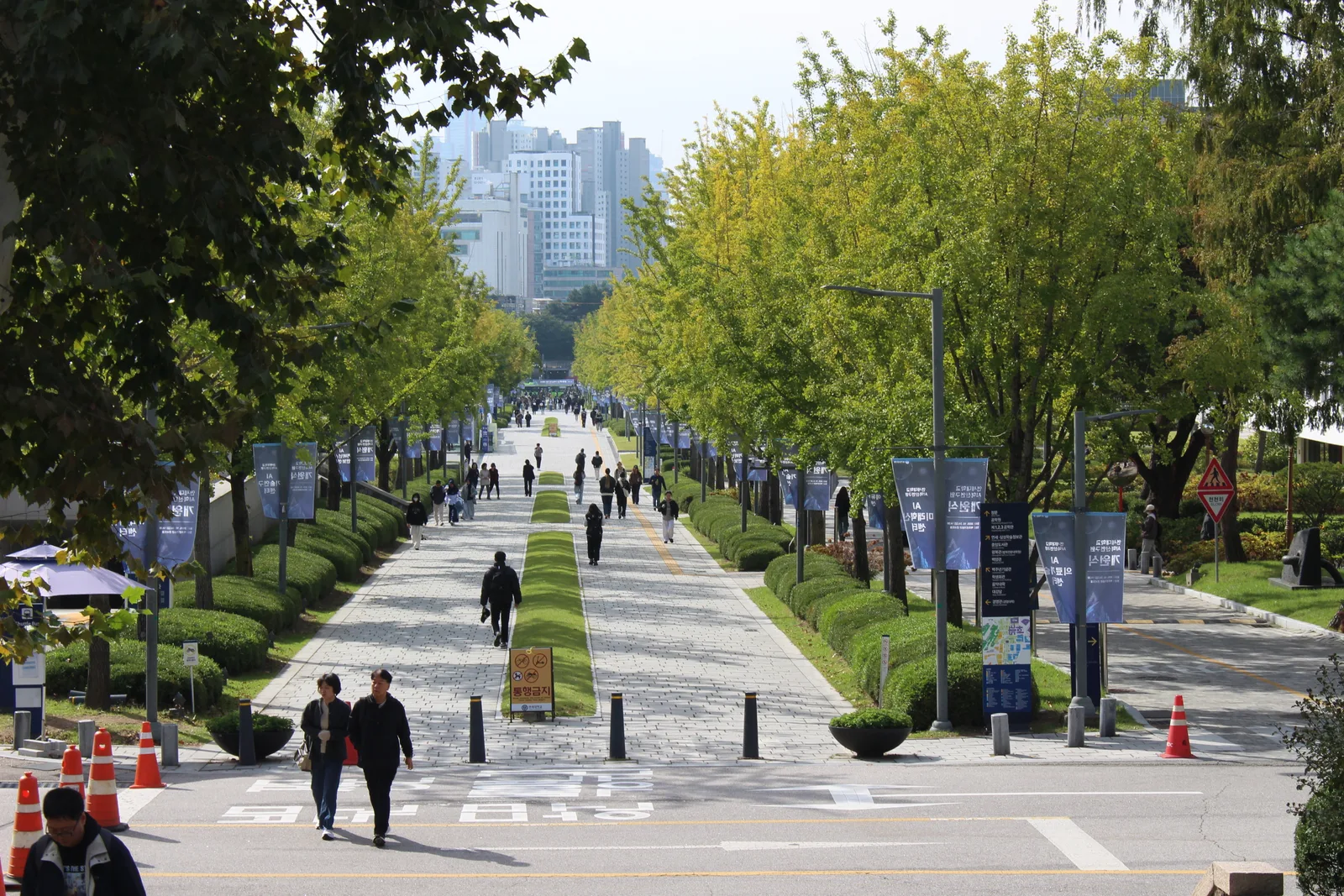
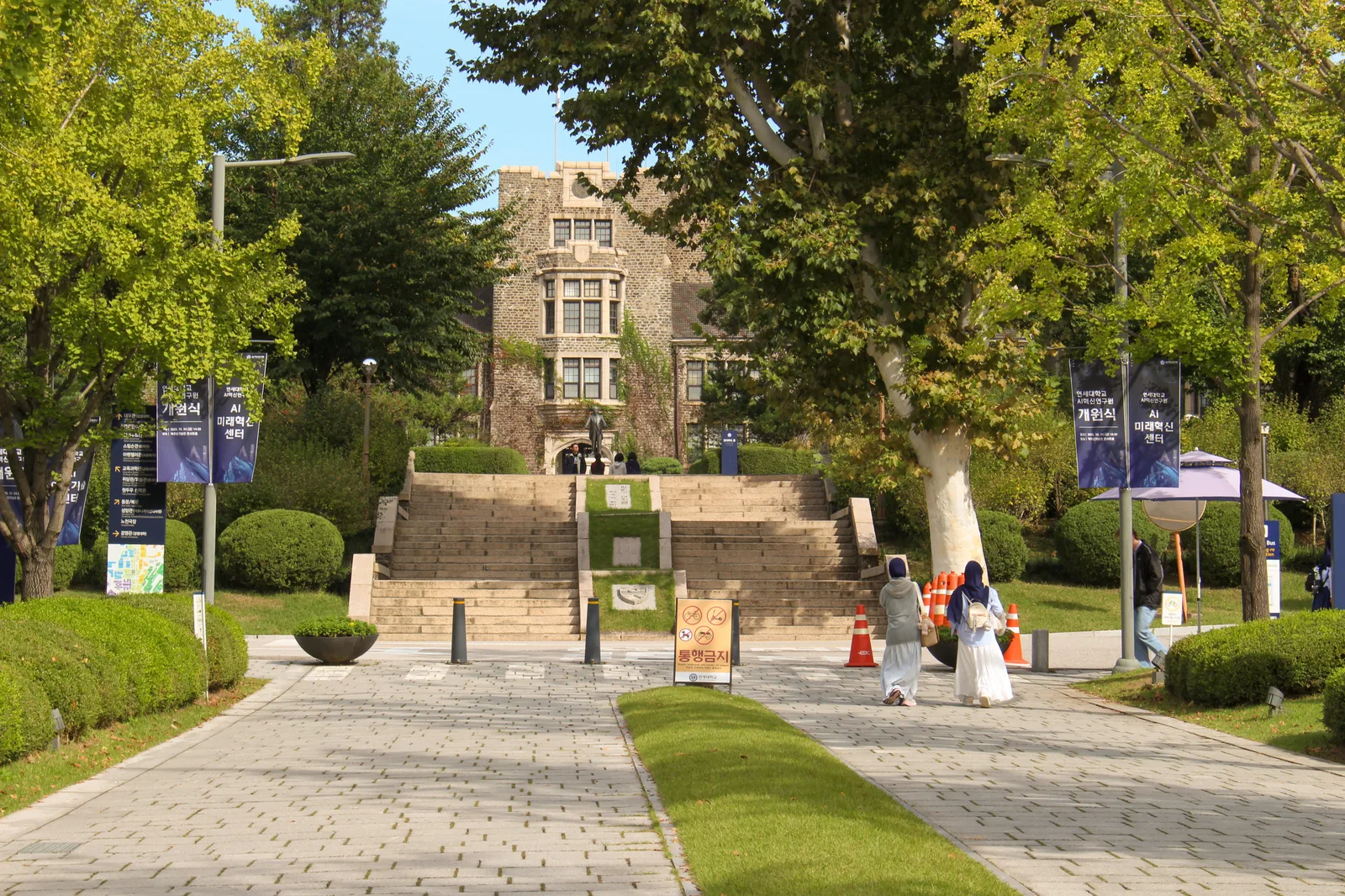
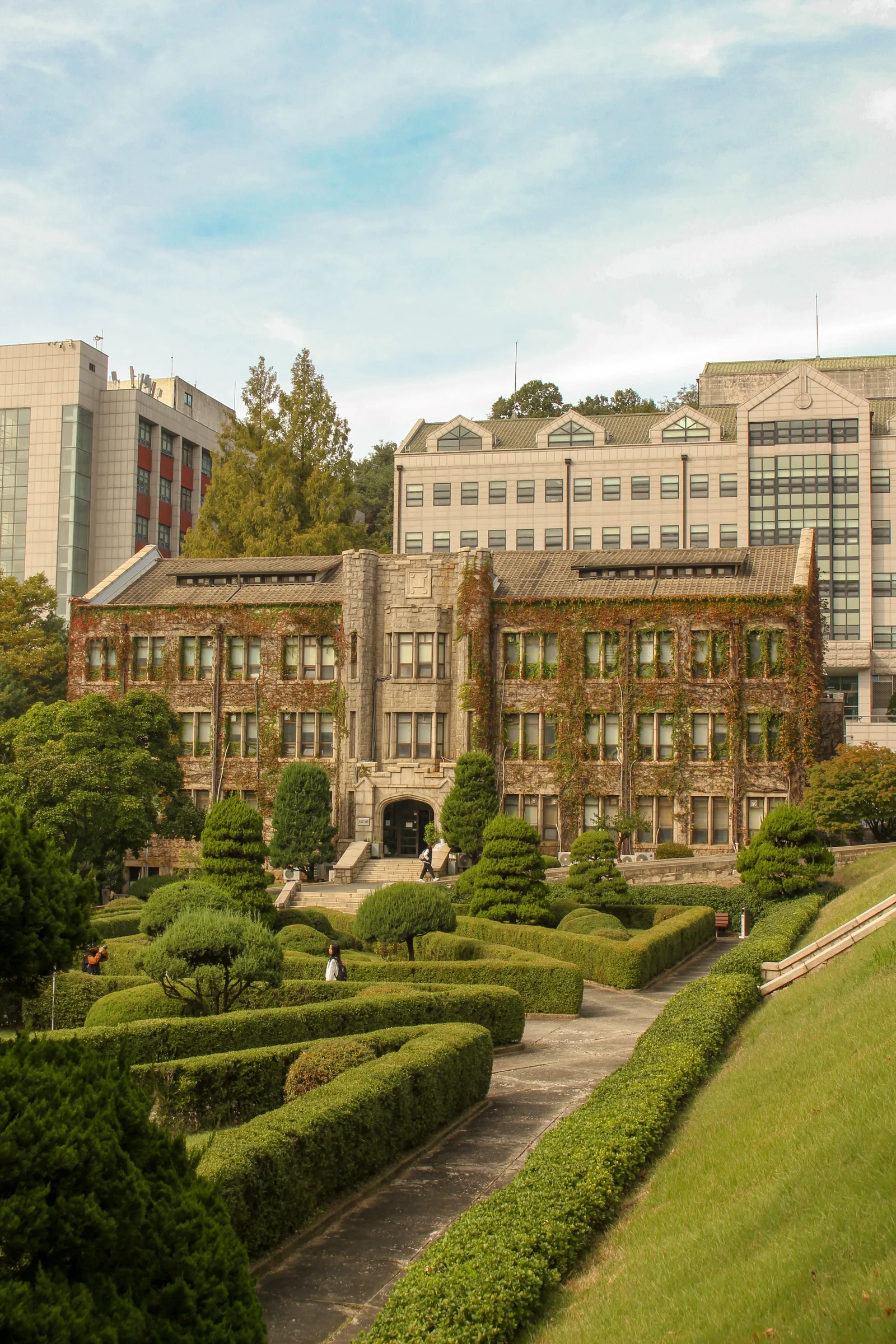
The thing I don’t really like is…the steps, climbing, hills, etc.. lol.😅 Korea is 70% mountainous, and especially Seoul, so terrain is very hilly. So, if you start from the campus main gate and get to the student dorms at the end, you would need approximately as much time as from one end of Ruski Krstur to another…
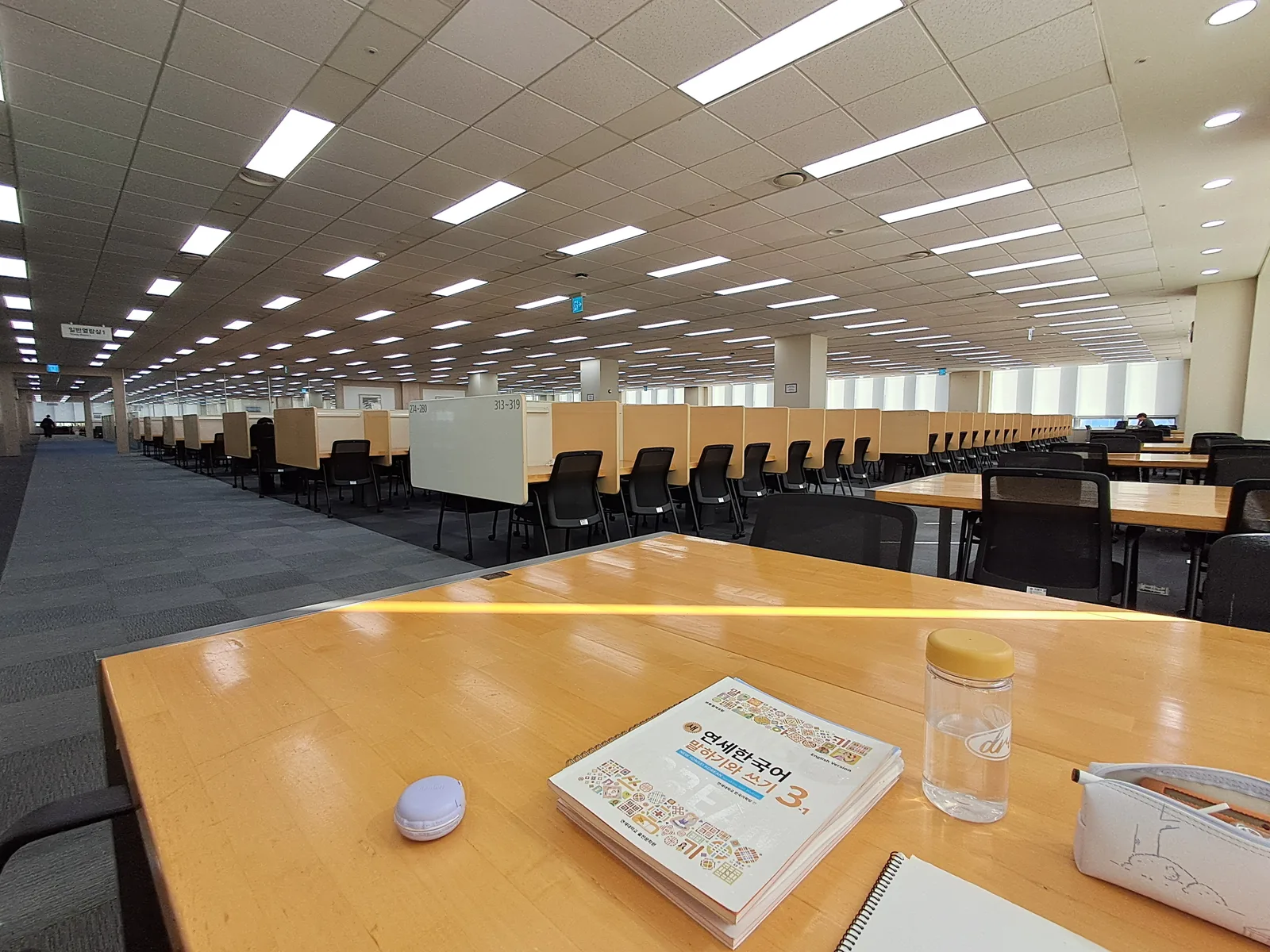
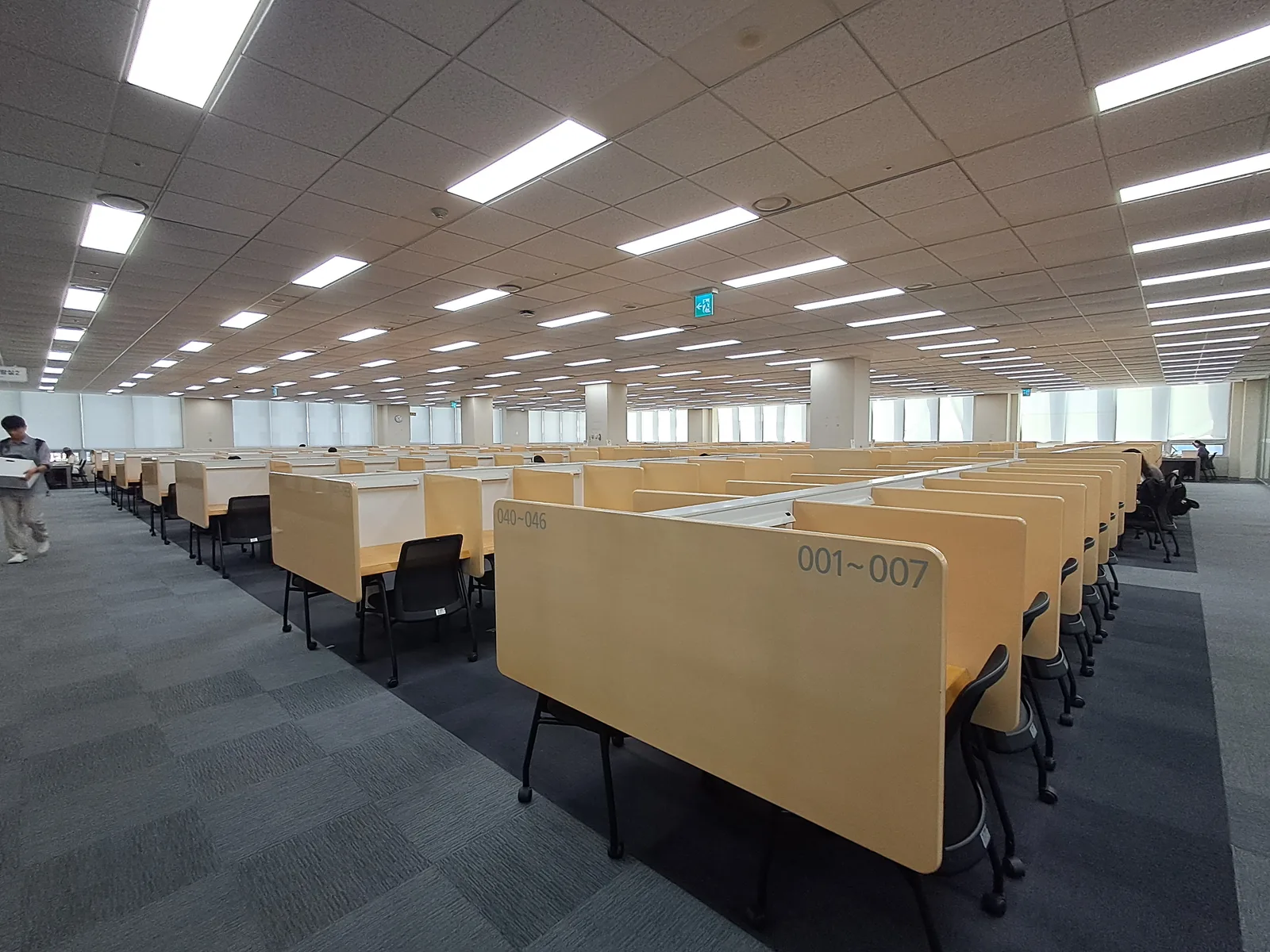
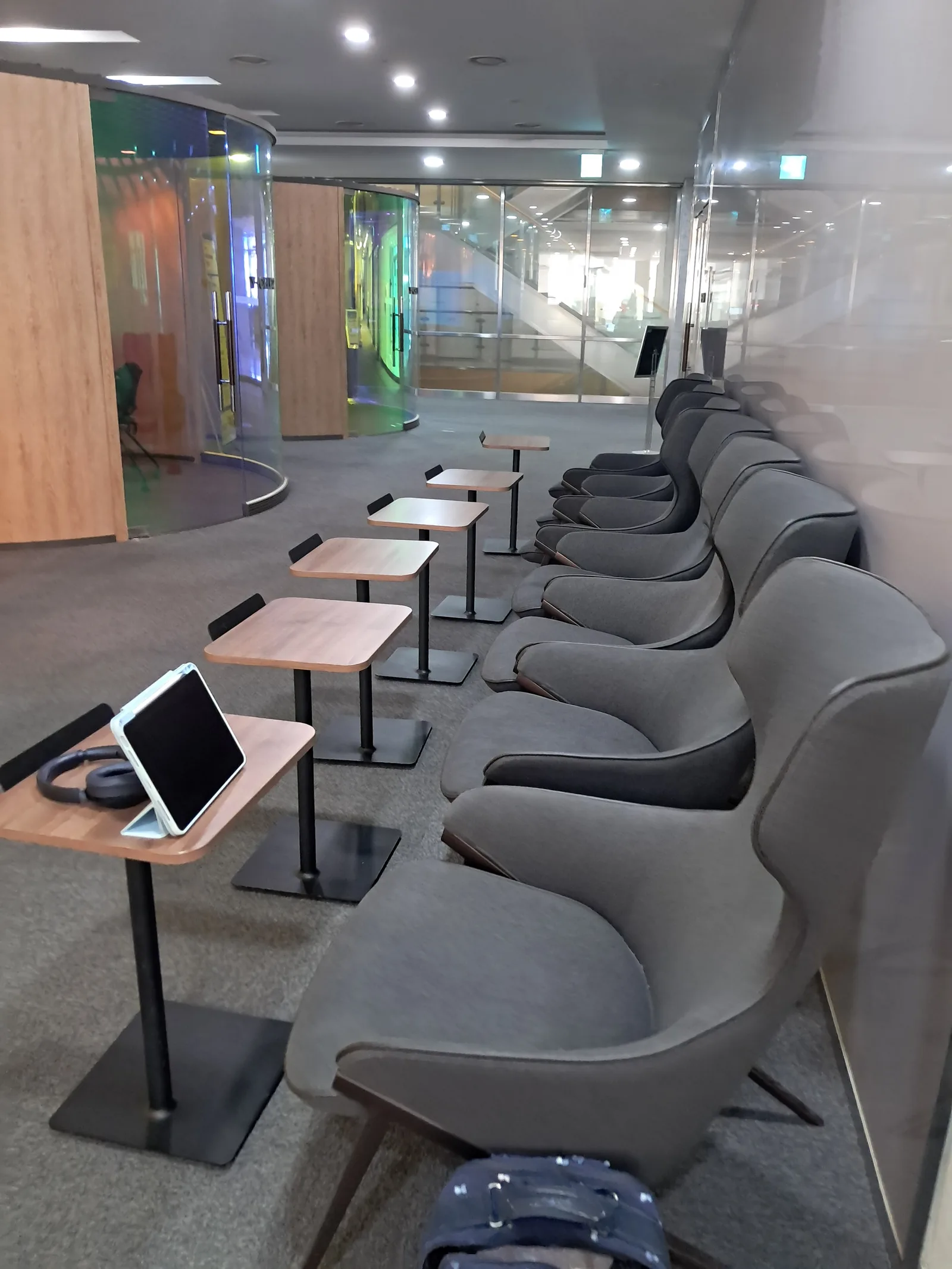
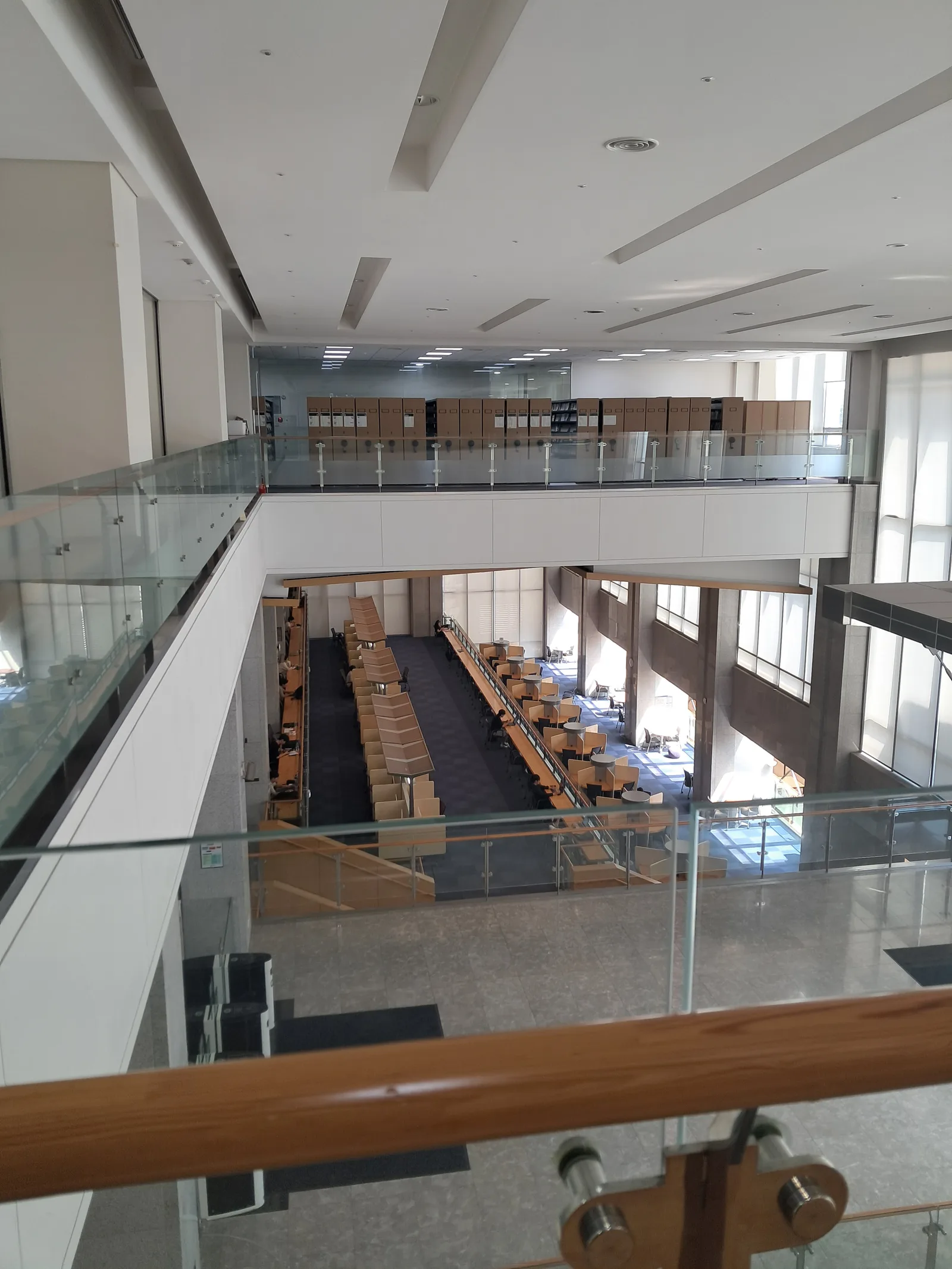
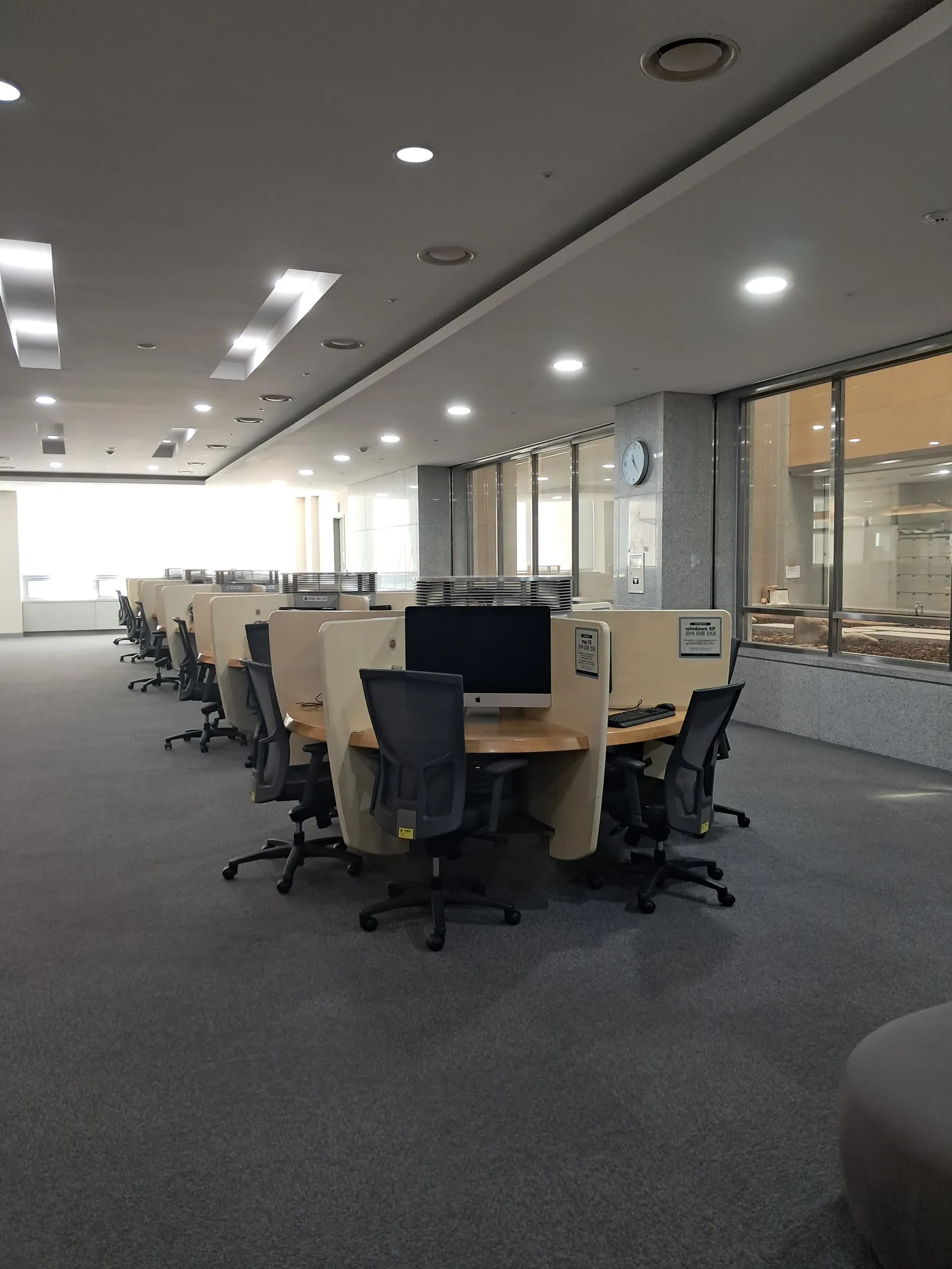
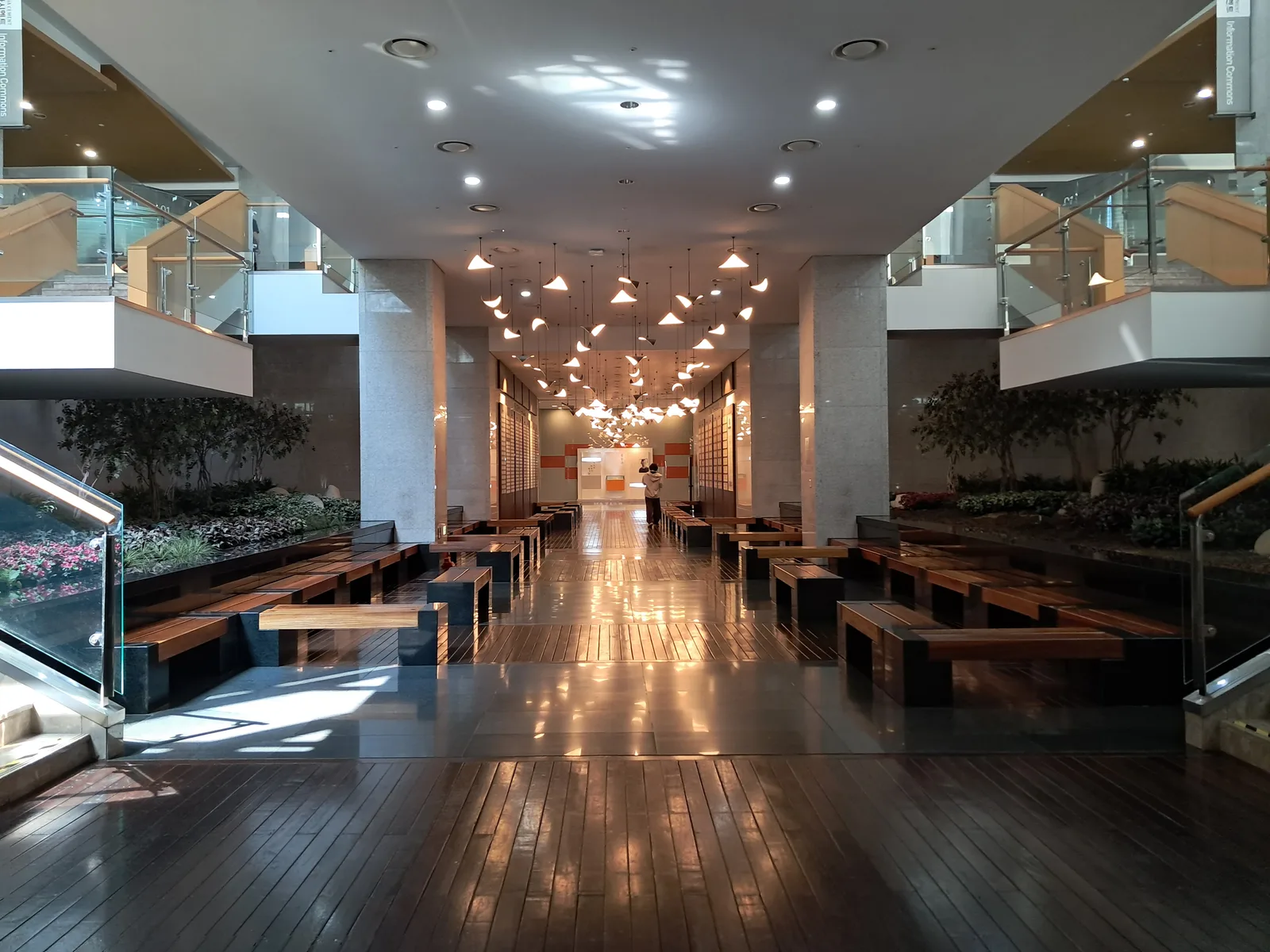
One of my favorite places on campus is the library. I am still very sad that I didn’t have a library in my undergrad, and I always longed for that library study atmosphere. Yonsei library is really big and there are so many places you can study. There are rooms where you can use laptops and such, and there are quiet study rooms. I feel like there are study rooms for every taste, rooms with big tables or like small cubicles where you can have your privacy and focus. I really like studying at the big tables near the windows where I can see the whole room. Seeing other students studying gives me motivation as well, haha.
That’s it for now, and I’ll be back soon with a new post! ( This time, soon, for real! ) 😄
comments
loading comments, please wait...